FTDNA Conference 2011 – Spencer Wells

After introductory remarks by Bennett Greenspan and Max Blankfeld who announced, among other things, a new collaboration between Family Tree DNA and Archives.com, Spencer Wells, PhD took the podium to present “Genographic Project Update: New from the Field.”
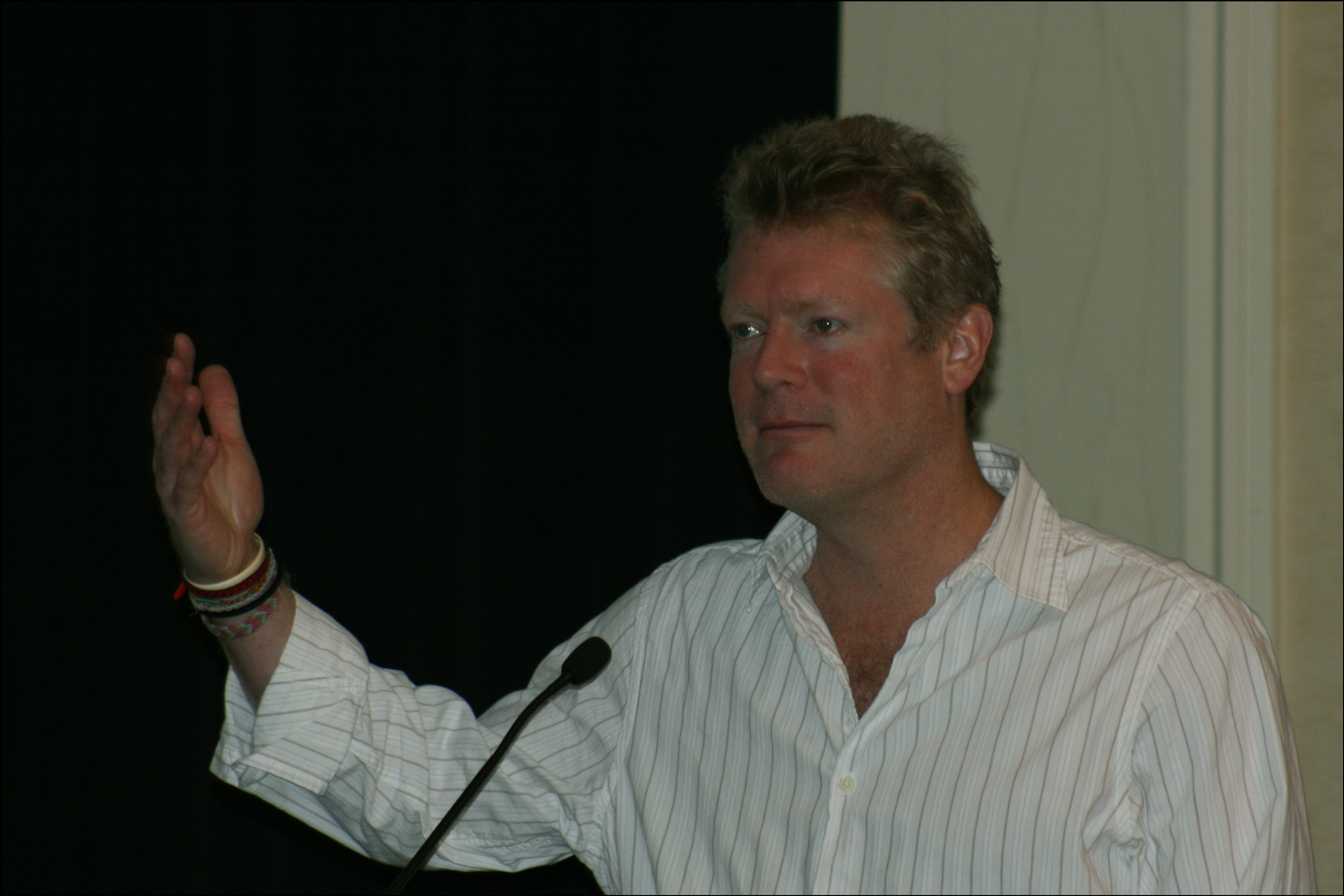
Spencer Wells

Spencer Wells

SOURCE:  Spencer Wells (Houston, Harris County, Texas); photographed by Stephen J. Danko on 05 November 2011.

The 7 billionth person was born on the earth this year. The National Genographic Project is working with traditional indigenous peoples in a three-part program involving field research, public participation, and a Legacy Fund.

In the field, DNA from approximately 75,000 people from over 1,000 populations has been sampled. Except for the Americas, sampling is going well. North America is the worst. In the public participation part of the project, DNA from about 415,000 people from over 130 countries has been sampled. The Legacy Fund, financed by the sale of public participation kits, has distributed over $1.5 million in 52 grants to countries all over the world. The Legacy Fund supports efforts to raise global awareness about the cultural loss faced by indigenous and traditional communities.

The Genographic Project has generated information about the movement of peoples all over the world. It has discovered that Hungarians have 2-3% Asian (Siberian) DNA. People moved or were isolated by a number of different climactic changes. Such changes allowed people to move from Asia to the Americas by the Bering Land Bridge. Other changes isolated people in refugia in Europe during the Ice Age and isolated people in South Africa because of desertification to the north.

Ancient DNA from central Germany shows that farmers from the Fertile Crescent moved in and replaced hunter-gatherers in Europe. When comparing genetic evolution and language evolution in the same populations, there exists a strong correlation between genealogical dates and language dates. Finally, the Genographic Project is beginning to look at recombination as a new type of genetic marker.

Copyright © 2011 by Stephen J. Danko
Posted in Daily Journal | Tagged , , | Comments Off on FTDNA Conference 2011 – Spencer Wells

Seventh International Family Tree DNA Conference for Group Administrators

I attended the Seventh International Family Tree DNA Conference for Group Administrators which was held on 05 November 2011 – 06 November 2011. I am an administrator for five surname projects at Family Tree DNA:  Busi, Czwalga/Swalga, Danko, Dziurzynski, and Niedzialkowski, and I hoped to learn more about the state of the art in the use of DNA for genealogical purposes.

The program was as follows:

Saturday, 05 November 2011
9:00 AM – Welcome (Bennett Greenspan & Max Blankfeld)
9:30 AM – Genographic Project Update: News from the Field (Spencer Wells, PhD)
10:30 AM – Genetic Genealogy Q&A (Bruce Walsh PhD)
11:15 AM – Breakout Sessions
Phasing & Other Analysis of Family Finder Results (David Pike)
Walk through the Y Update (Thomas Krahn)
2:00 PM – The Armenian DNA Project (Peter Hrechdakian)
2:45 PM – One Step Webpages Part 1: A Potpourri of Genealogical Search Tools (Stephen Morse, PhD)
4:00 PM – Q&A Panel

Sunday, 06 November 2011
8:00 AM – ISOGG (International Society of Genetic Genealogy) Meeting (FTDNA Chapter)
9:00 AM – IT Roadmap 2011: The Year in Review and Looking Ahead (Elliott Greenspan)
9:45 AM – Neandertals in our Midst: Just How Modern is our Genome? (Michael Hammer, PhD)
10:45 AM – DNA of the Three Collas (Peter Biggins & Thomas Roderick)
11:30 AM – One Step Webpages Part II: A Hodgepodge of Lesser Known Gems (Stephen Morse, PhD)
2:00 PM – DNA Tests and the Law – Potential Use of Ancestry Tests for Immigration (Jessica Roberts, JD)
2:45 PM – An Adoptee’s Journey to His Ancestral Surname (Richard Hill, MBA)
3:45 PM – Closing Panel

Copyright © 2011 by Stephen J. Danko

Posted in Daily Journal | Tagged , , | Comments Off on Seventh International Family Tree DNA Conference for Group Administrators

Final Sights in the Roman Forum

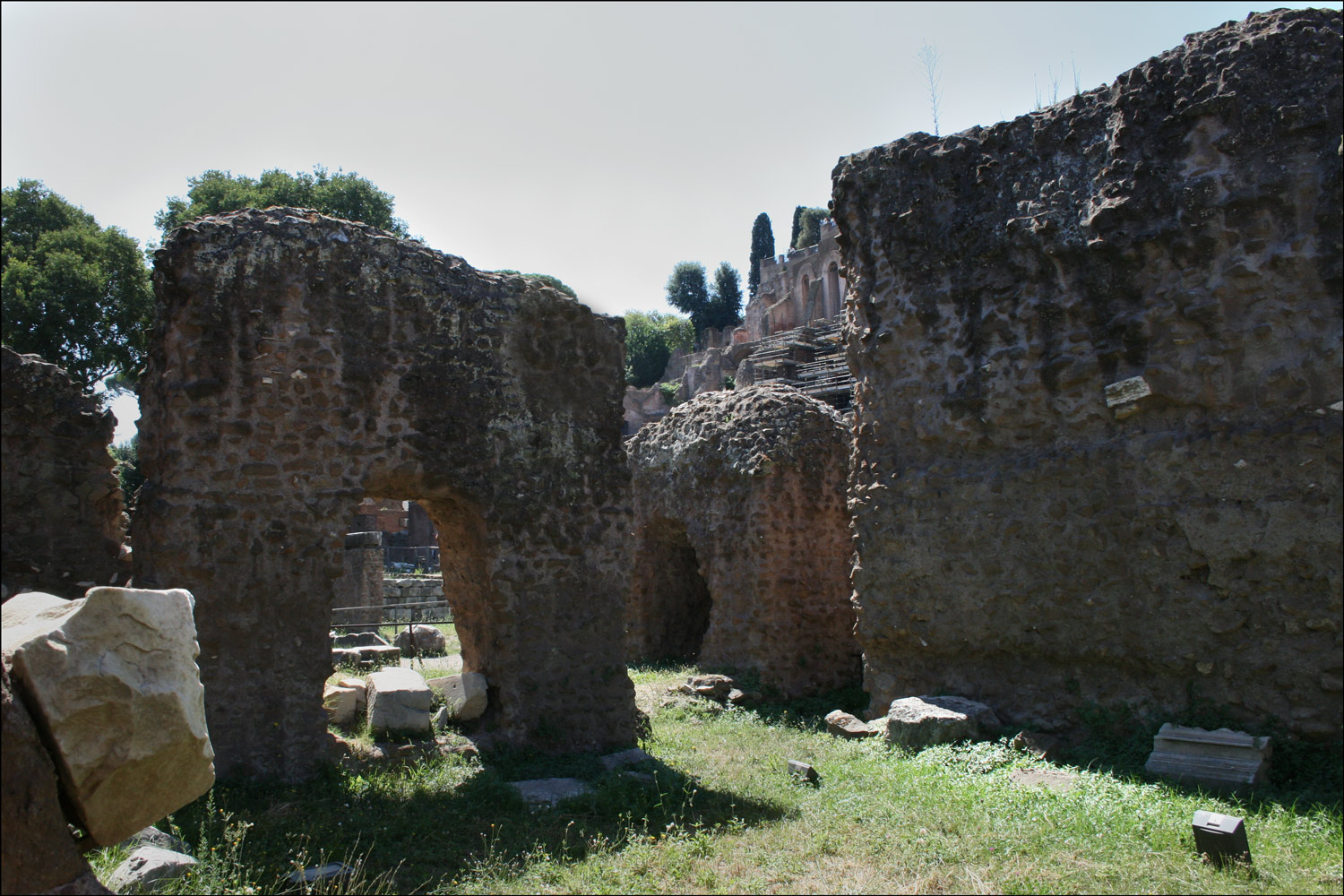
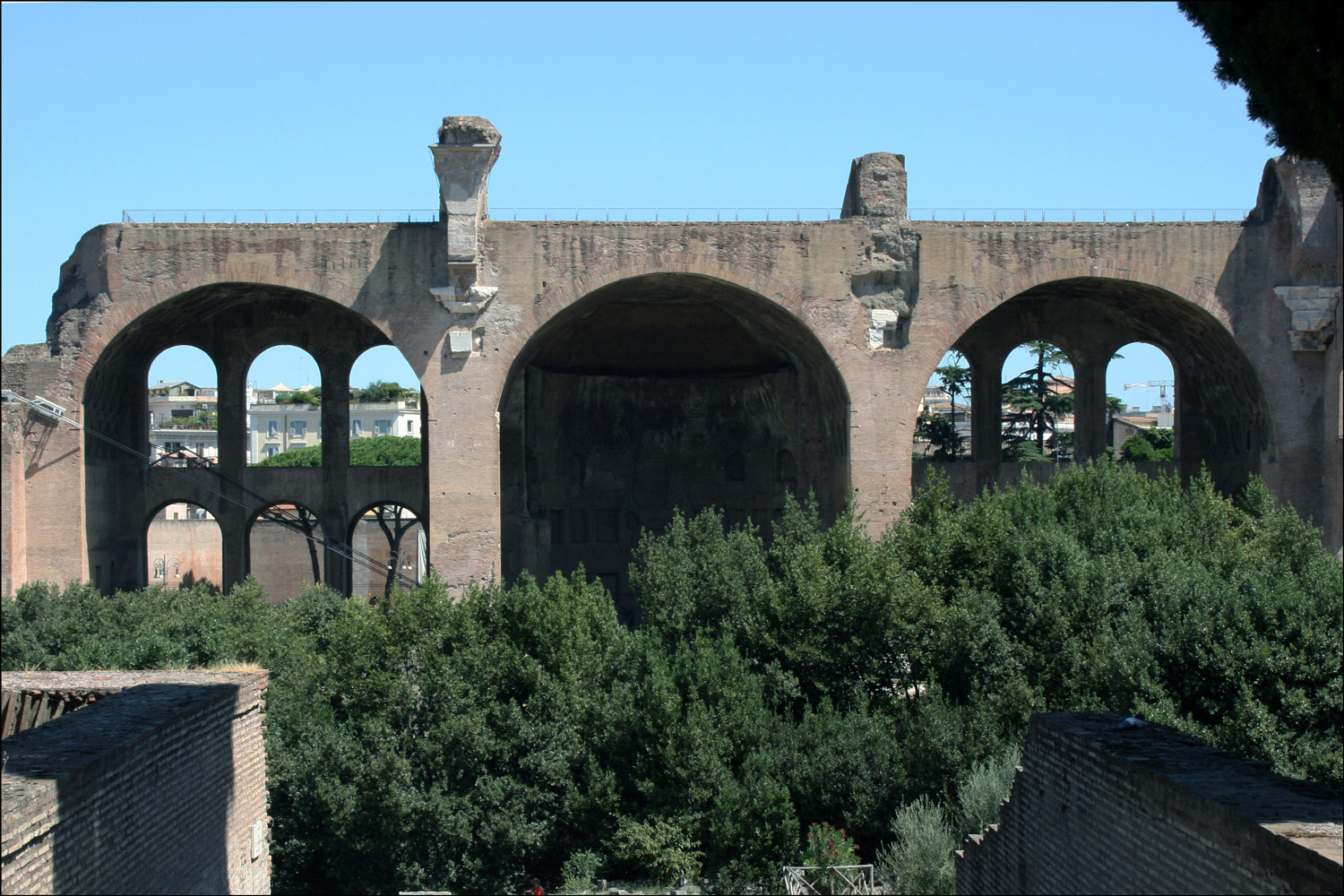
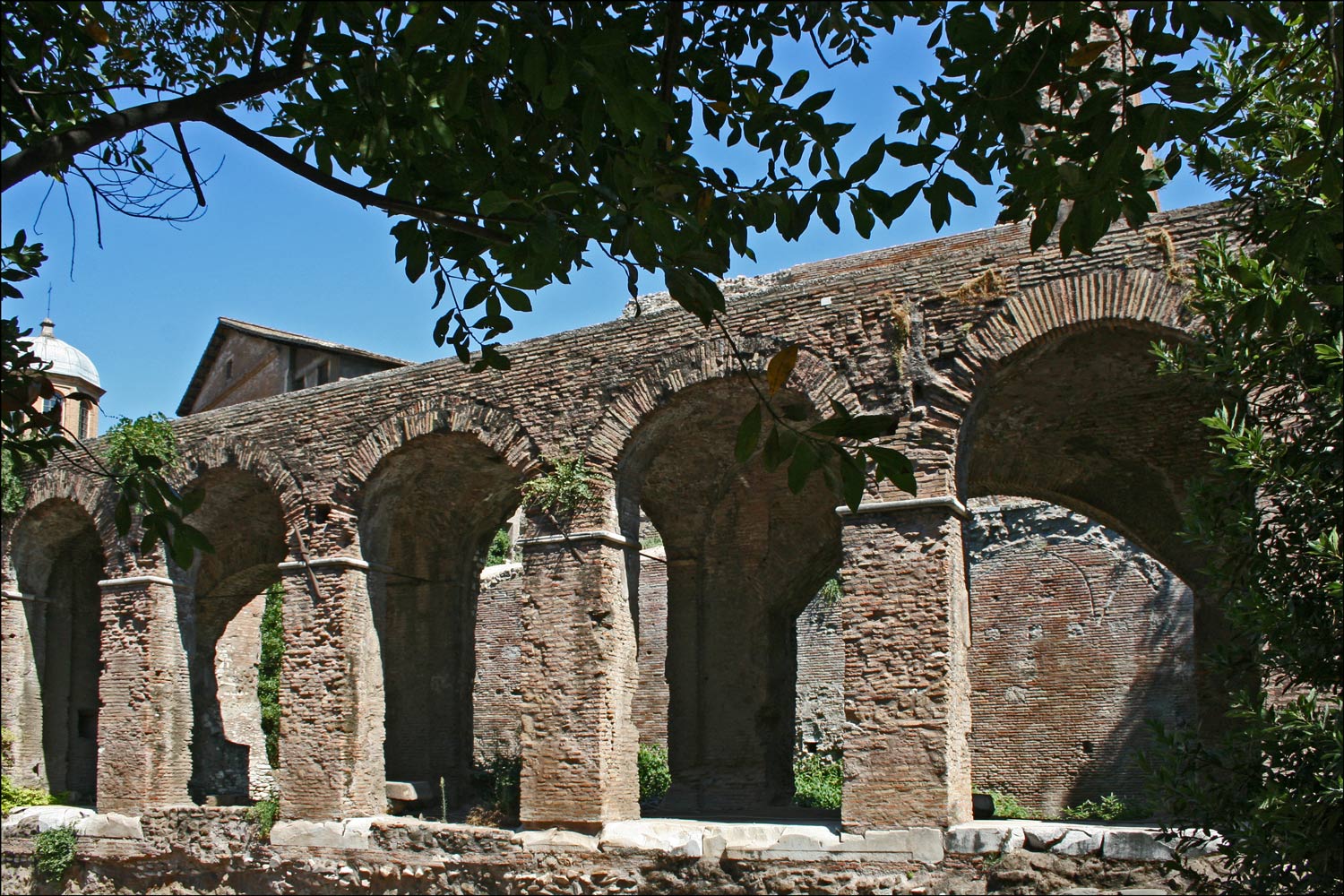
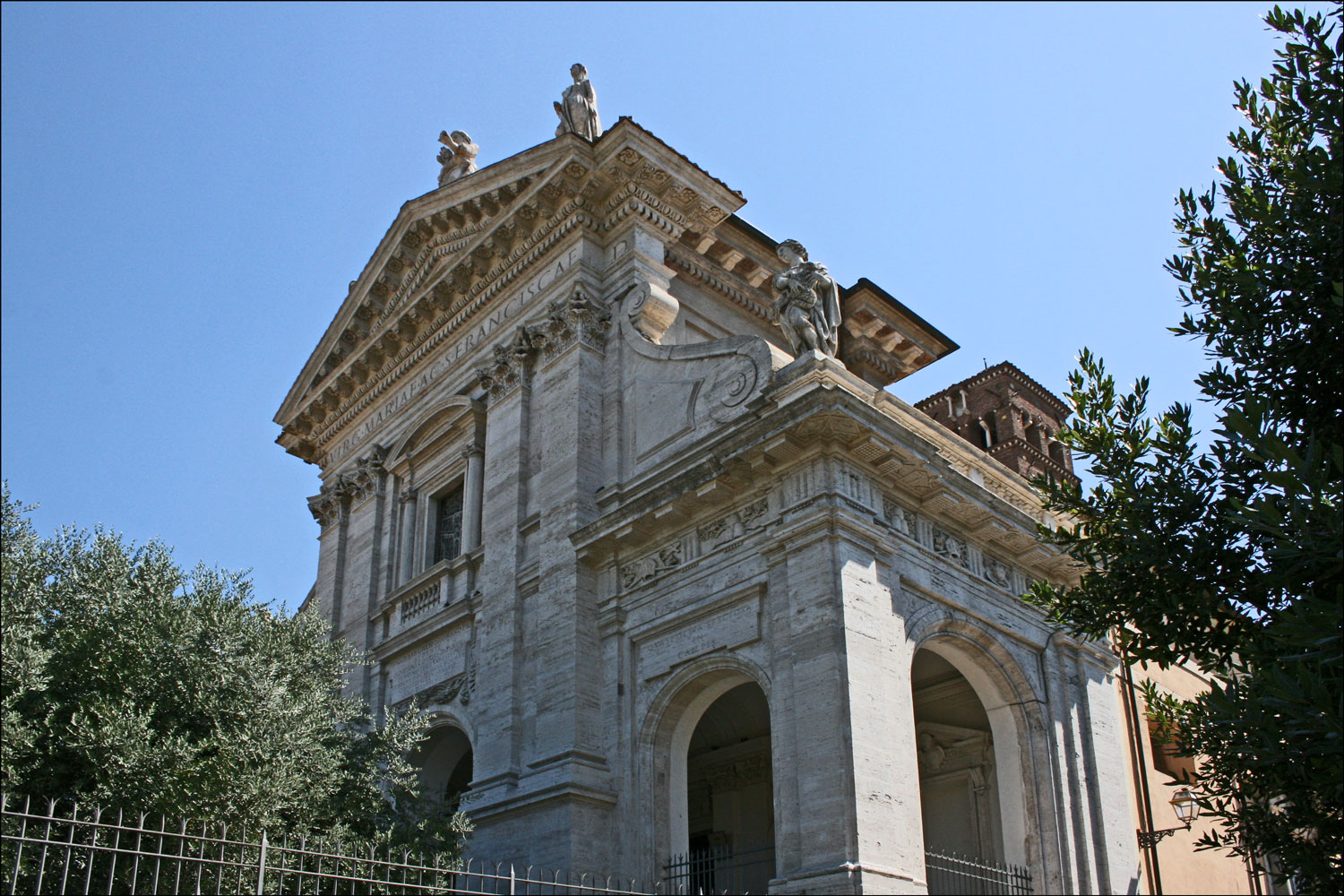
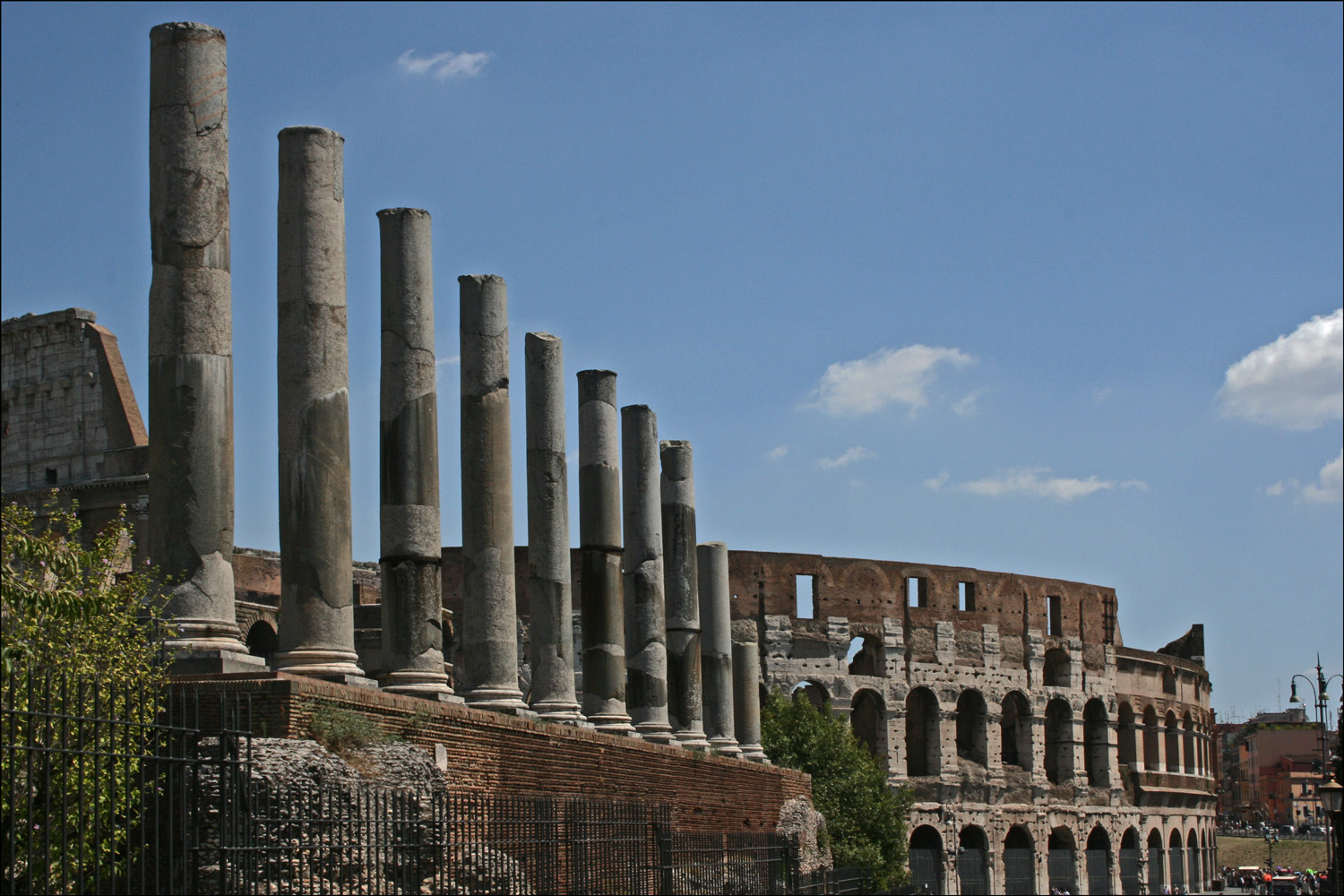
As I prepared to leave the Roman Forum, the final sights I photographed were the Basilica of Maxentius, a series of arches between the Temple of Romulus and the Basilica of Maxentius, the Church of Santa Francesca Romana, and a series of columns along the Via Sacra.

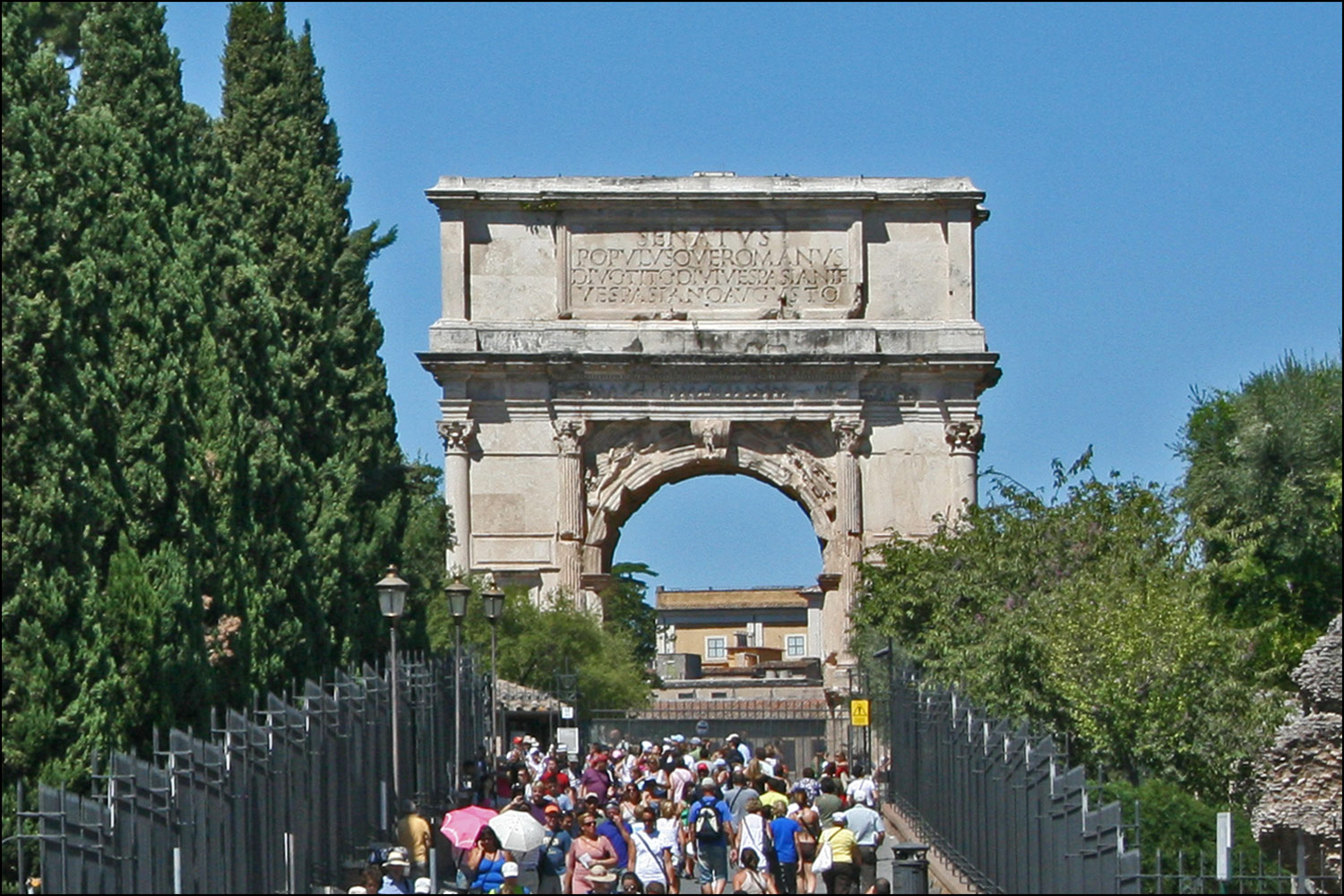
The Basilica of Maxentius was a public meeting place and was the largest building in the Roman Forum. Most of this building was destroyed, probably in the earthquake of 847 AD. A series of arches runs along near the Basilica of Maxentius, the function of which I have not been able to discover. Walking toward the Arch of Titus, I passed the Church of Santa Francesca Romana, dedicated to Saint Frances of Rome who, incidentally, is the patron saint of automobile drivers. Finally, exiting the Forum through the Arch of Titus along the Via Sacra, I passed a series of columns and approached the Colosseum.

With that, my Mediterranean vacation was nearly over. I spent one final night in Rome and then left for the airport and home.

Basilica of Maxentius

Basilica of Maxentius

SOURCE:  Basilica of Maxentius (Rome, Lazio, Italy); photographed by Stephen J. Danko on 13 August 2011.

Arches near the Basilica of Maxentius

Arches near the Basilica of Maxentius

SOURCE:  Arches near the Basilica of Maxentius (Rome, Lazio, Italy); photographed by Stephen J. Danko on 13 August 2011.

Church of Santa Francesca Romana

Church of Santa Francesca Romana

SOURCE:  Church of Santa Francesca Romana (Rome, Lazio, Italy); photographed by Stephen J. Danko on 13 August 2011.

Leaving the Forum along the Via Sacra

Leaving the Forum along the Via Sacra

SOURCE:  Leaving the Forum along the Via Sacra (Rome, Lazio, Italy); photographed by Stephen J. Danko on 13 August 2011.

Copyright © 2011 by Stephen J. Danko
Posted in Daily Journal | Tagged , , | Comments Off on Final Sights in the Roman Forum

The Palatine Hill

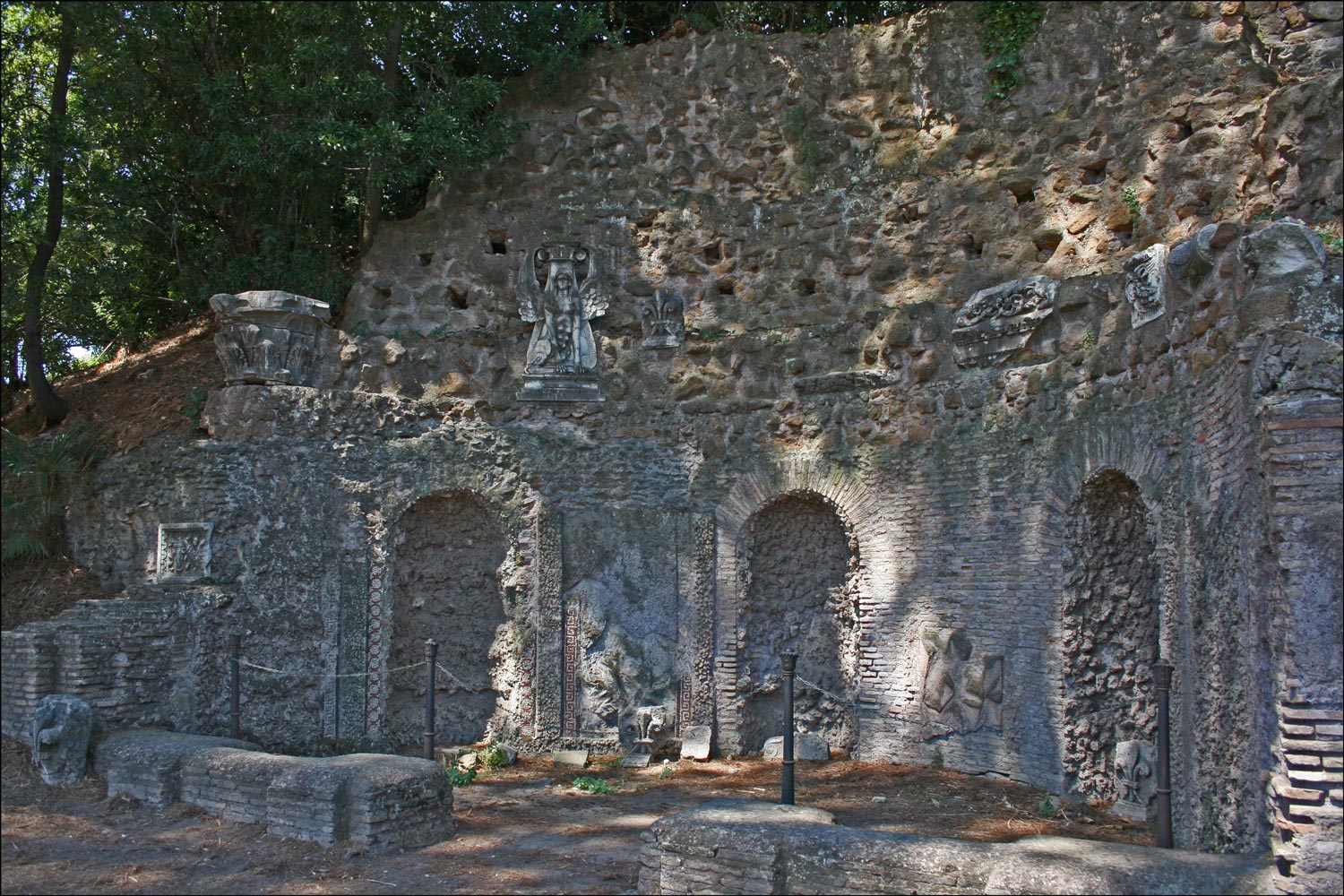
Atop the Palatine Hill are the remains of an ancient temple, presumably dedicated to Jupiter Stator. This temple was the site of Cicero’s first oration against Cataline in 63 BC. Around the niches, there are remnants of mosaics, and above the niche to the left is a representation of the Greek Sphynx and the Fleur de Lys of the Farnese family.

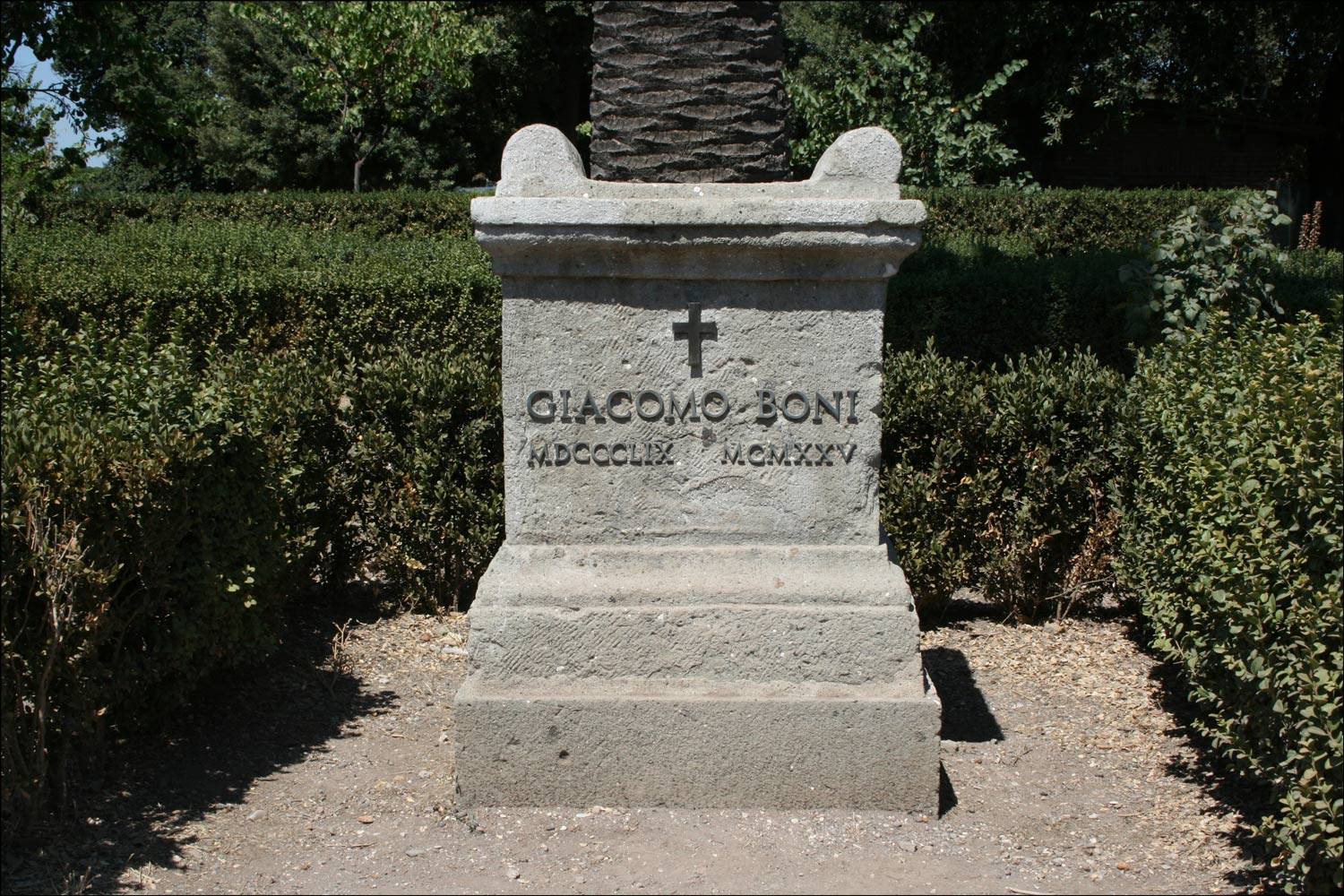
The grave of Giacomo Boni (25 April 1859 – 10 July 1925) lies on the Palatine Hill where he had worked as an archeologist.

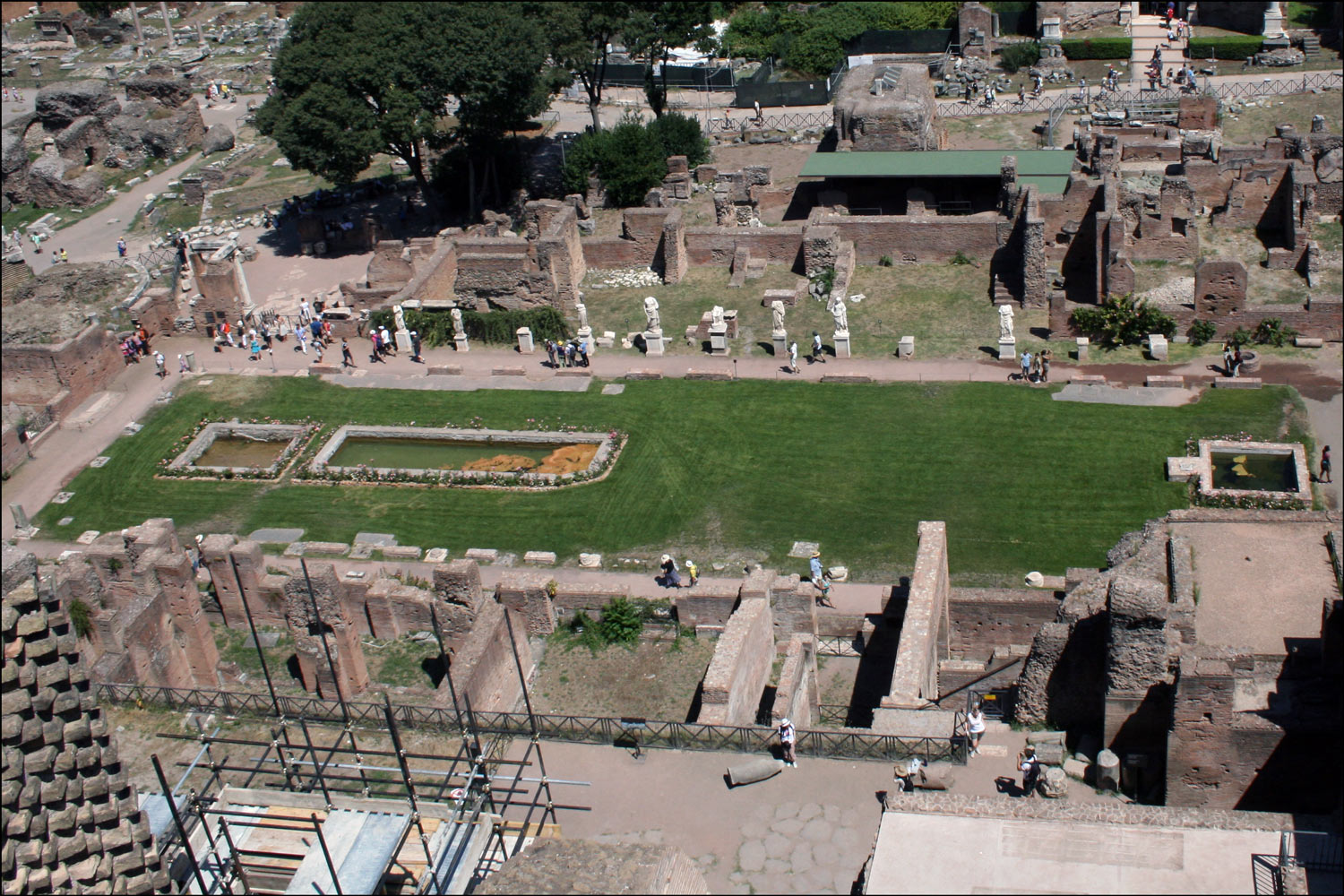
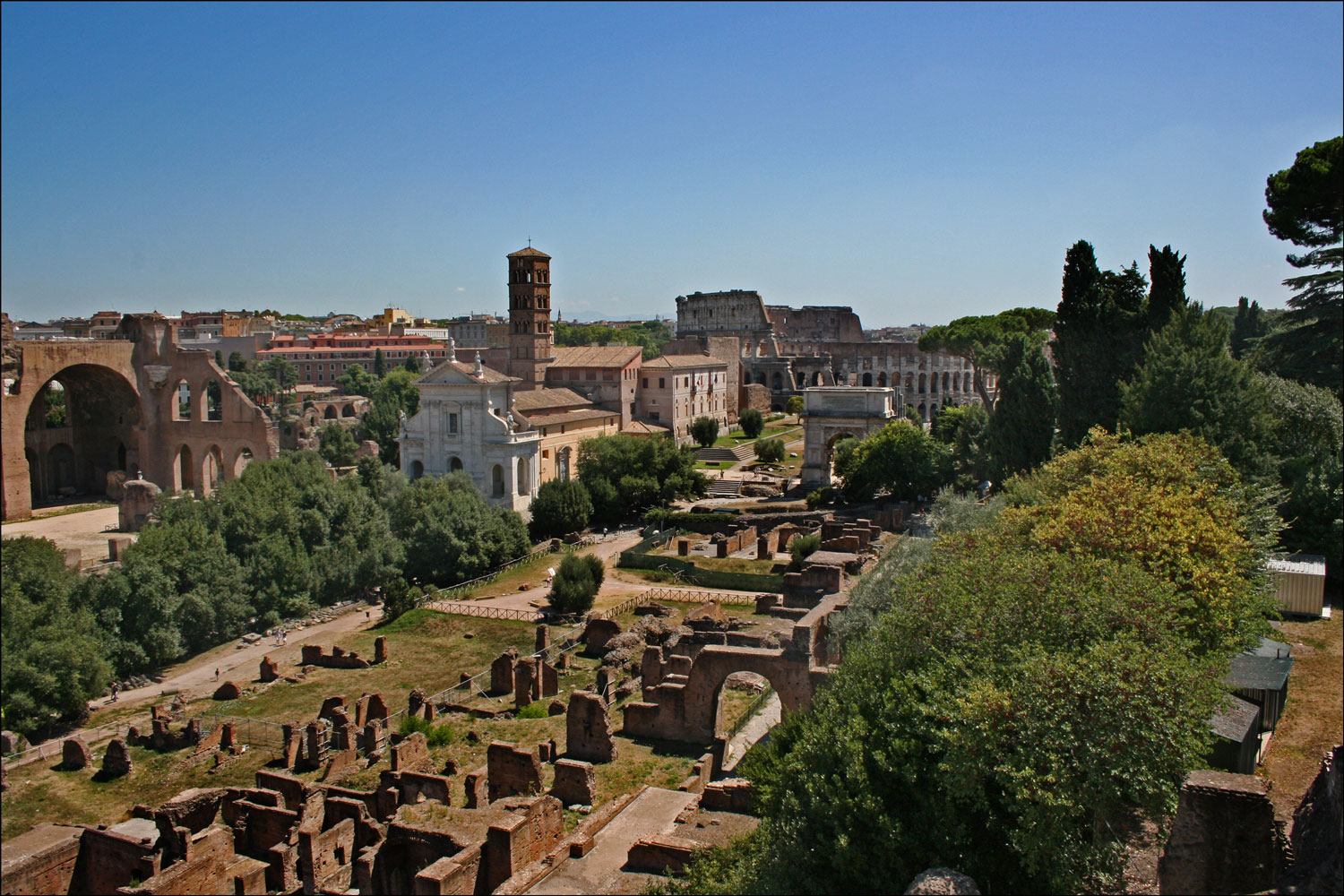
From the Palatine Hill, there is a magnificent panoramic view of the Roman Forum, including a wide swath of green where the House of the Vestals once stood. The Colosseum can be seen just outside the Forum.

Temple of Jupiter Stator

Temple of Jupiter Stator

SOURCE:  Temple of Jupiter Stator (Rome, Lazio, Italy); photographed by Stephen J. Danko on 13 August 2011.

Grave of Giacomo Boni

Grave of Giacomo Boni

SOURCE:  Grave of Giacomo Boni (Rome, Lazio, Italy); photographed by Stephen J. Danko on 13 August 2011.

The House of the Vestals

The House of the Vestals

SOURCE:  The House of the Vestals (Rome, Lazio, Italy); photographed by Stephen J. Danko on 13 August 2011.

The Forum and the Colosseum

The Forum and the Colosseum

SOURCE:  The Forum and the Colosseum (Rome, Lazio, Italy); photographed by Stephen J. Danko on 13 August 2011.

Copyright © 2011 by Stephen J. Danko
Posted in Daily Journal | Tagged , , | Comments Off on The Palatine Hill

The Farnese Gardens

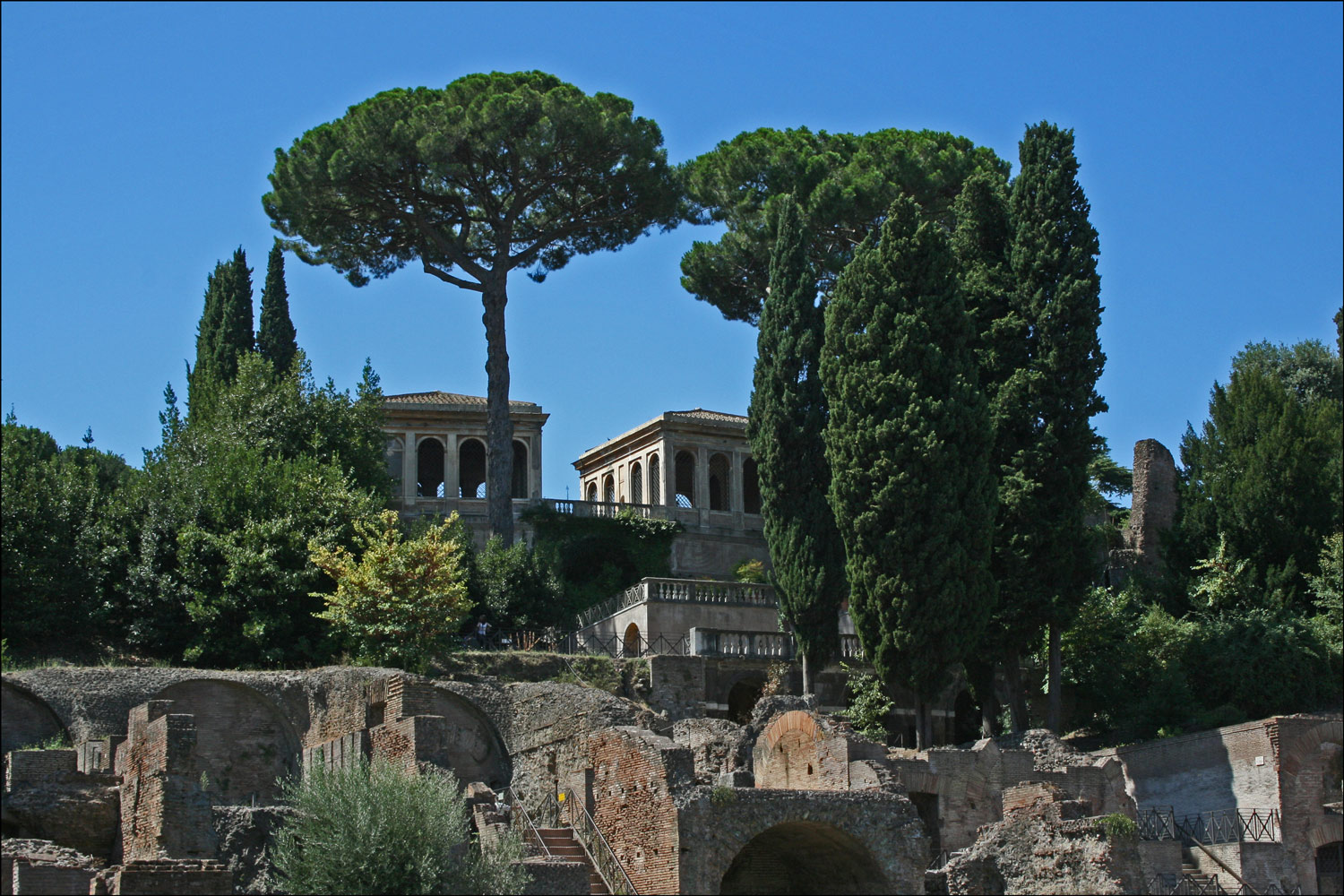
The Palatine Hill overlooks the Roman Forum. The buildings of the Farnese Gardens can be seen from the Forum itself, and the approach to the Palatine Hill is through these buildings.

The Farnese Gardens were constructed as a summer residence for Cardinal Allesandro Farnese on top of the Domus Tiberiana, the imperial palace built by the Emperor Tiberius on the Palatine Hill.

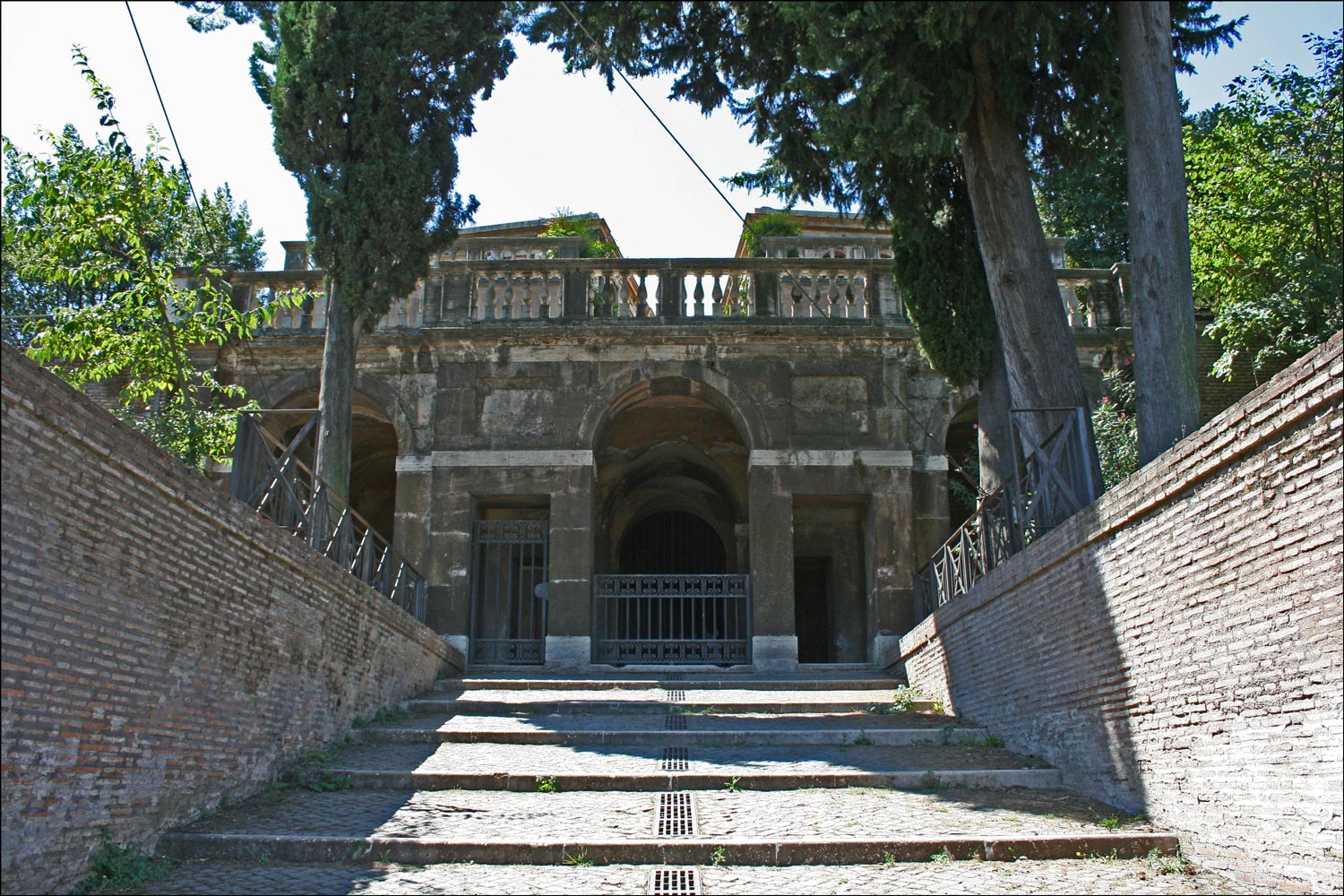
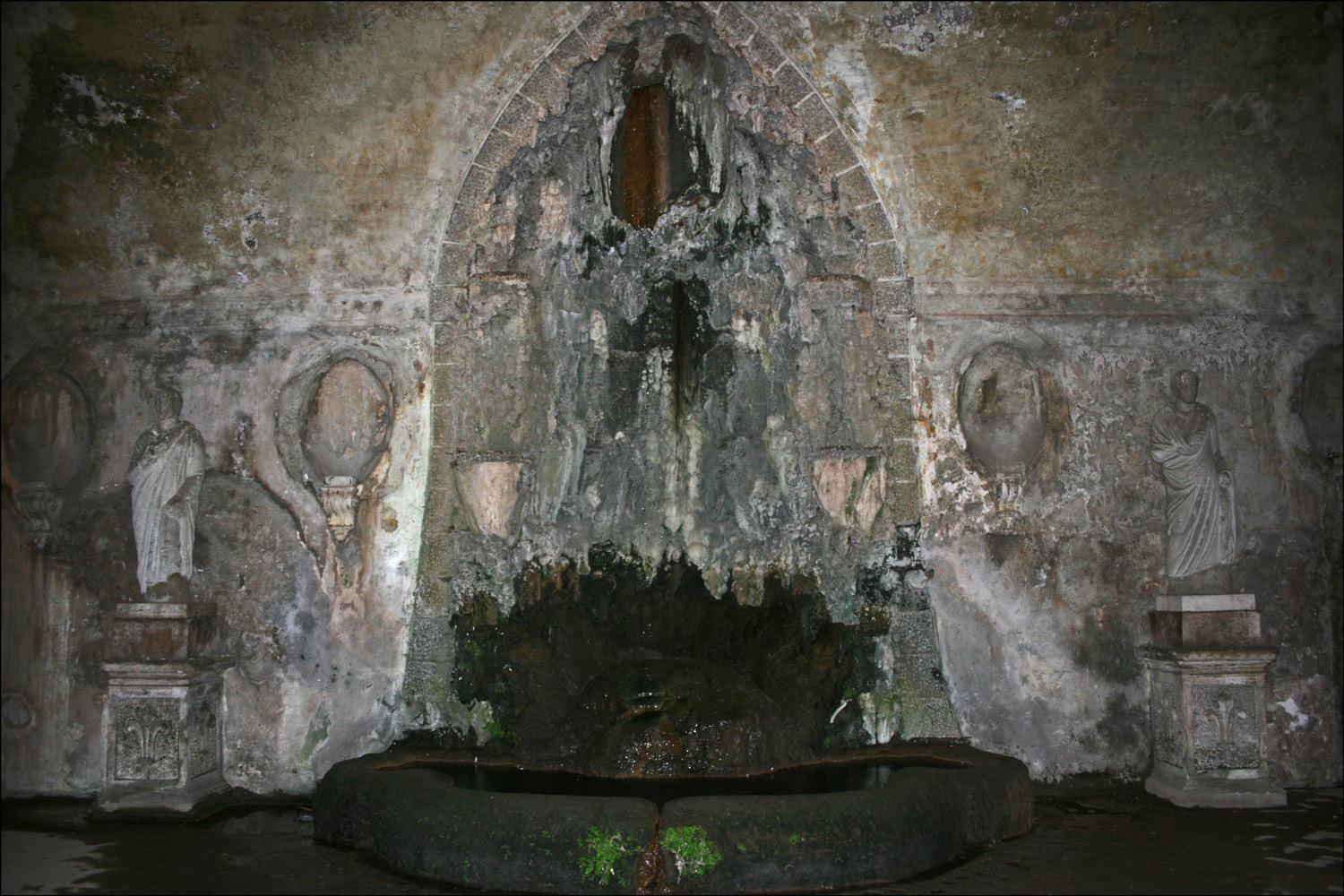
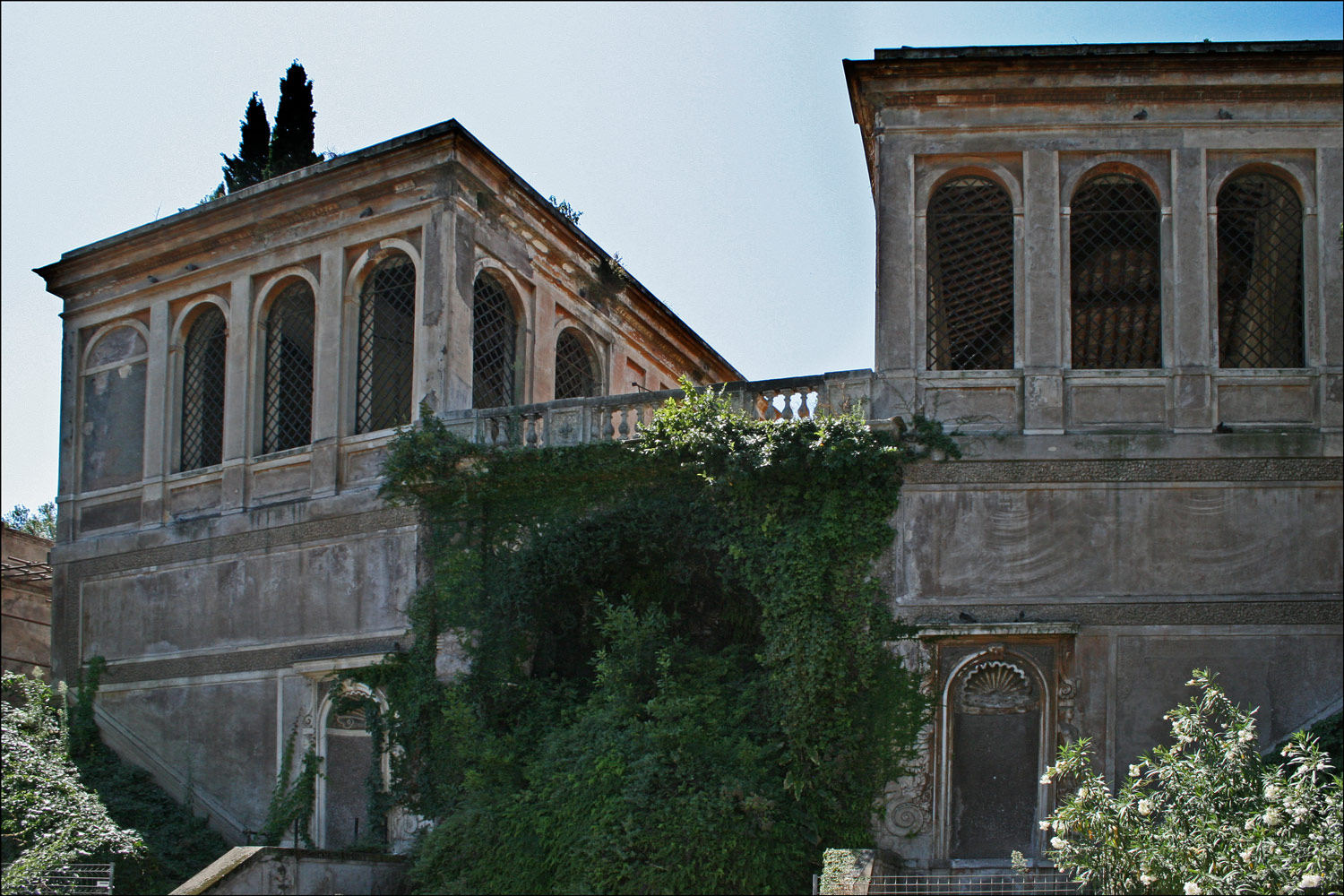
The stairs to the Farnese Gardens pass by the Nymphaeum, an artificial grotto dedicated to the nymphs of the springs. Stairways continue upwards to the Aviaries of the Farnese Gardens.

The Farnese Gardens from the Roman Forum

The Farnese Gardens from the Roman Forum

SOURCE:  The Farnese Gardens from the Roman Forum (Rome, Lazio, Italy); photographed by Stephen J. Danko on 13 August 2011.

Stairway to the Nymphaeum and the Farnese Gardens

Stairway to the Nymphaeum and the Farnese Gardens

SOURCE:  Stairway to the Nymphaeum and the Farnese Gardens (Rome, Lazio, Italy); photographed by Stephen J. Danko on 13 August 2011.

The Nymphaeum

The Nymphaeum

SOURCE:  The Nymphaeum (Rome, Lazio, Italy); photographed by Stephen J. Danko on 13 August 2011.

The Aviaries of the Farnese Gardens

The Aviaries of the Farnese Gardens

SOURCE:  The Aviaries of the Farnese Gardens (Rome, Lazio, Italy); photographed by Stephen J. Danko on 13 August 2011.

Copyright © 2011 by Stephen J. Danko
Posted in Daily Journal | Tagged , , | Comments Off on The Farnese Gardens

The Roman Forum – Part 6

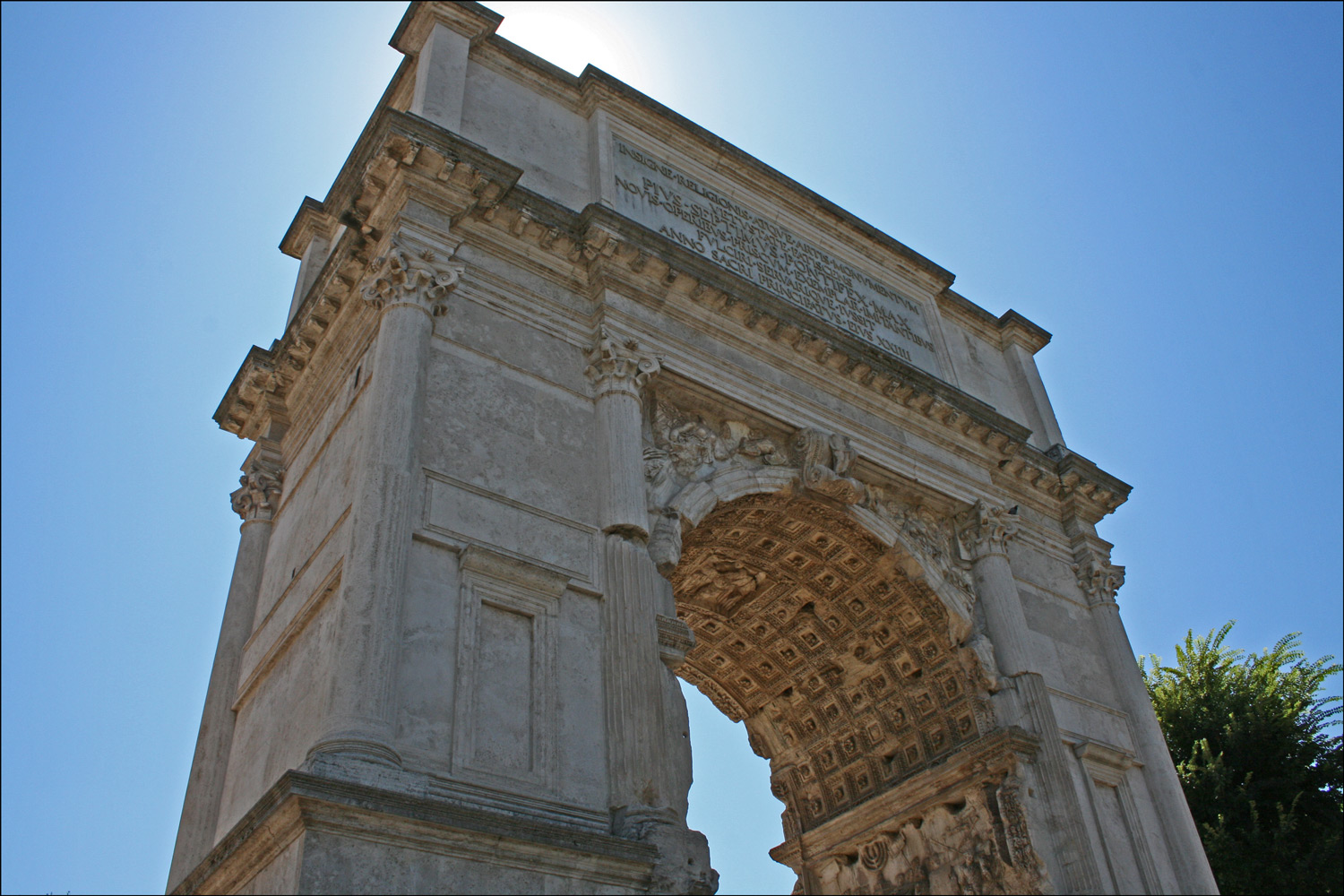
The Arch of Titus was built in 81 AD by the Emperor Domatian to celebrate the deification of his deceased predecessor and brother, Titus. The arch is located at the east end of the Roman Forum, close to the Colosseum.

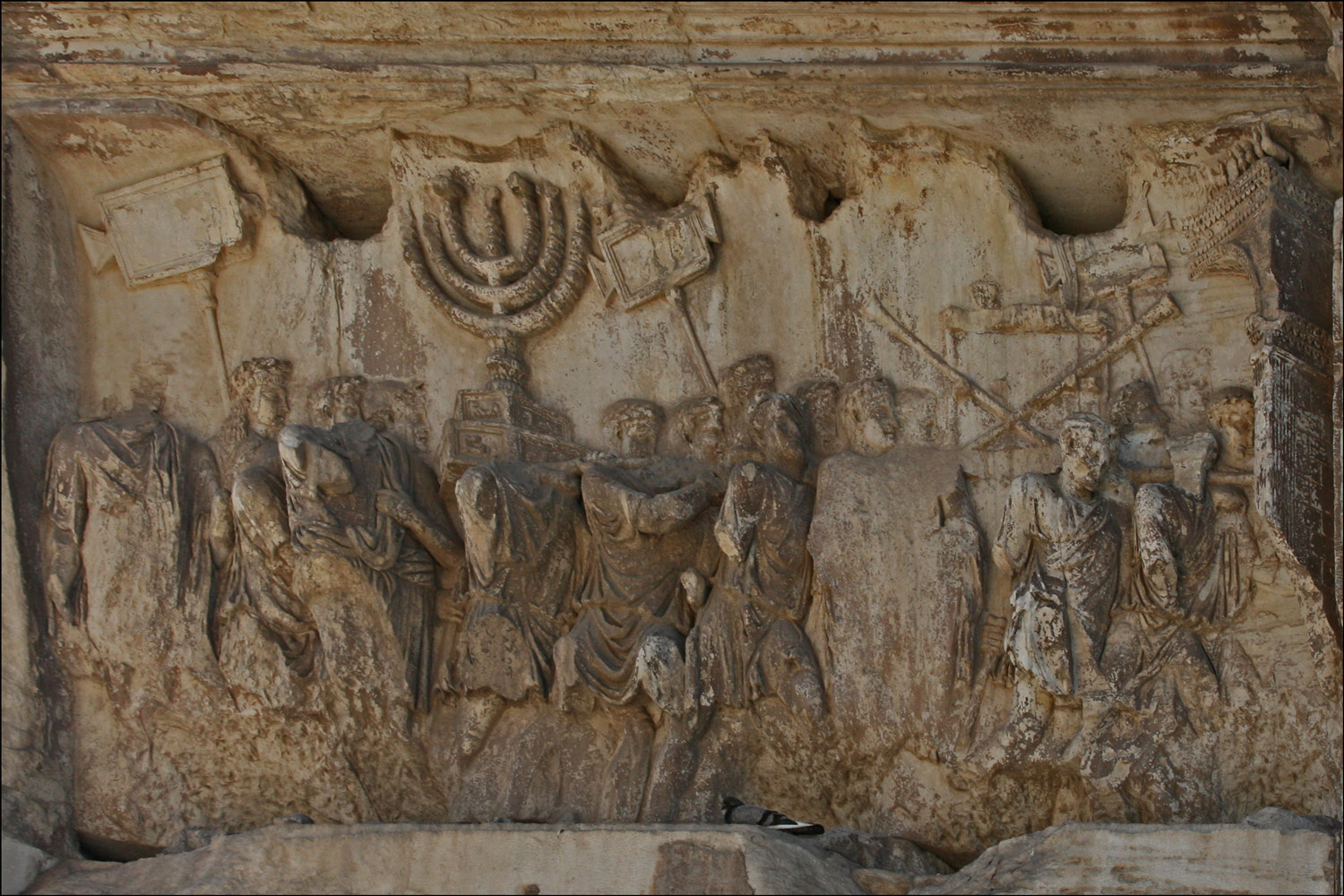
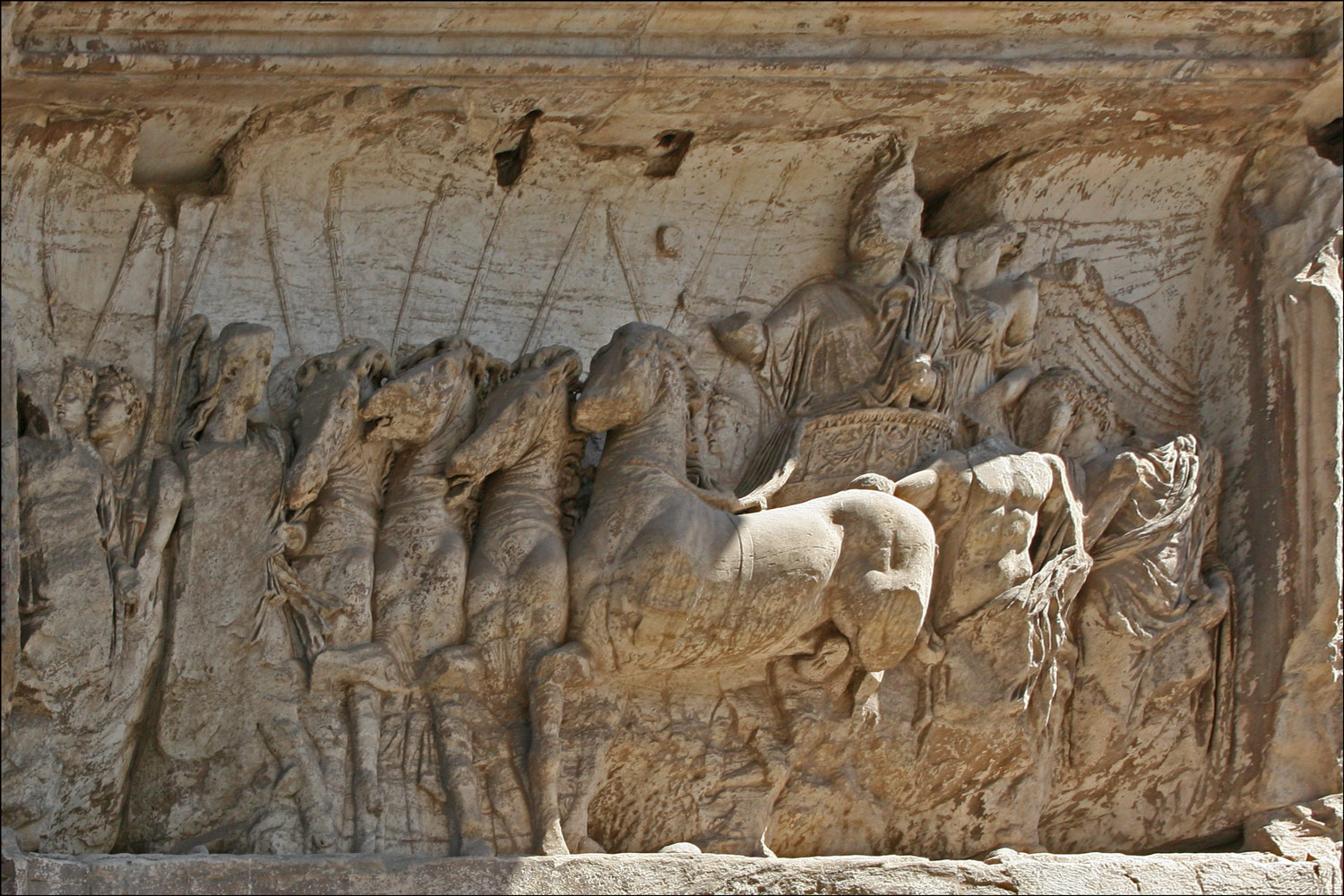
Inside the arch, one can see an image of the deification of Titus directly above, in the coffered soffit. On the interior, to the North, is a relief of the spoils of the temple in Jerusalem and, to the South, is a relief of Titus as Triumphator, riding in a quadriga – a chariot drawn by four horses.

The Arch of Titus

The Arch of Titus

SOURCE:  The Arch of Titus (Rome, Lazio, Italy); photographed by Stephen J. Danko on 10 August 2011.

Deatil of the Arch of Titus

Detail of the Arch of Titus

SOURCE:  Detail of the Arch of Titus (Rome, Lazio, Italy); photographed by Stephen J. Danko on 13 August 2011.

The Spoils of War

The Spoils of War

SOURCE:  The Spoils of War (Rome, Lazio, Italy); photographed by Stephen J. Danko on 13 August 2011.

Titus as Triumphator

Titus as Triumphator

SOURCE:  Titus as Triumphator (Rome, Lazio, Italy); photographed by Stephen J. Danko on 13 August 2011.

Copyright © 2011 by Stephen J. Danko
Posted in Daily Journal | Tagged , , | Comments Off on The Roman Forum – Part 6

The Roman Forum – Part 5

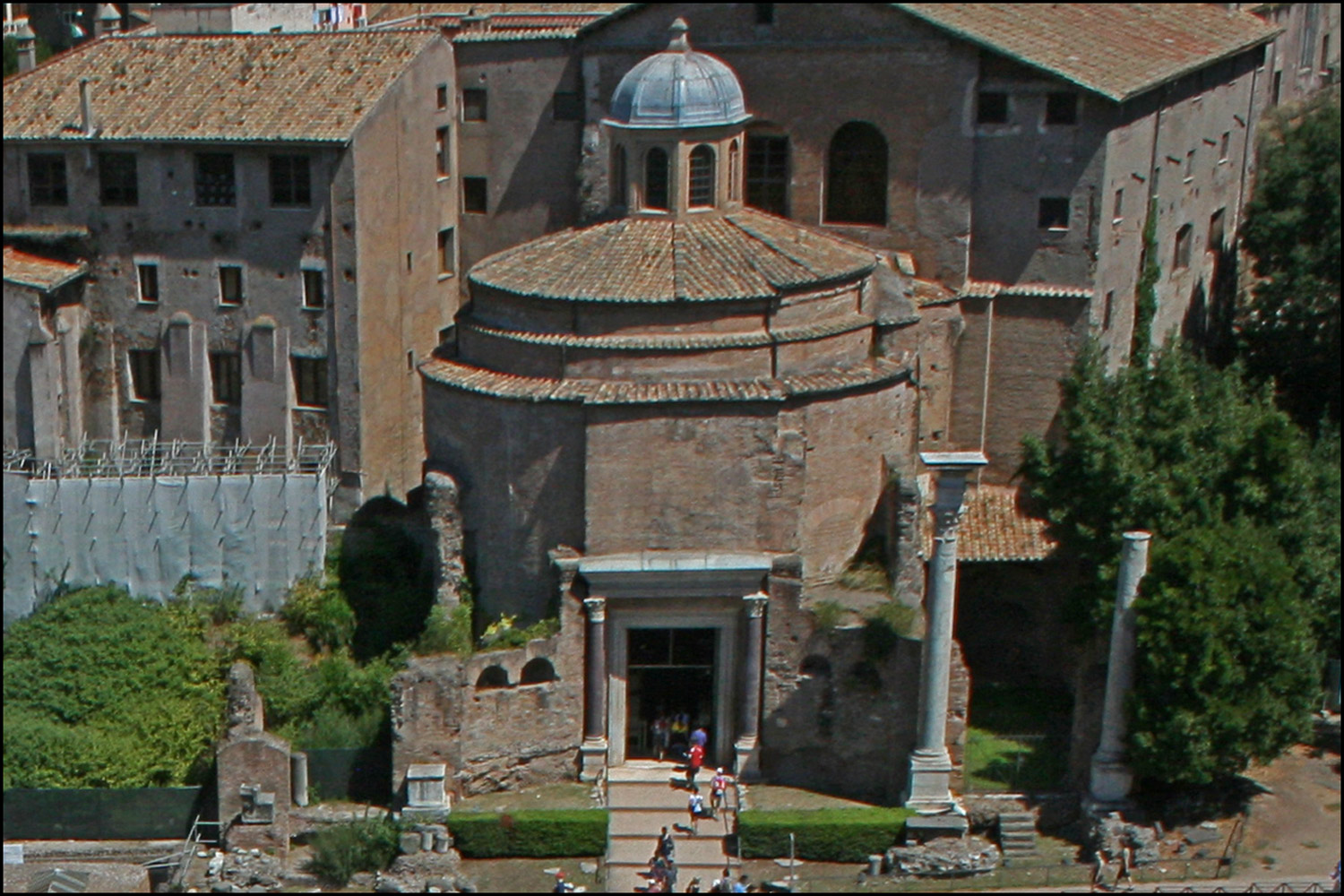
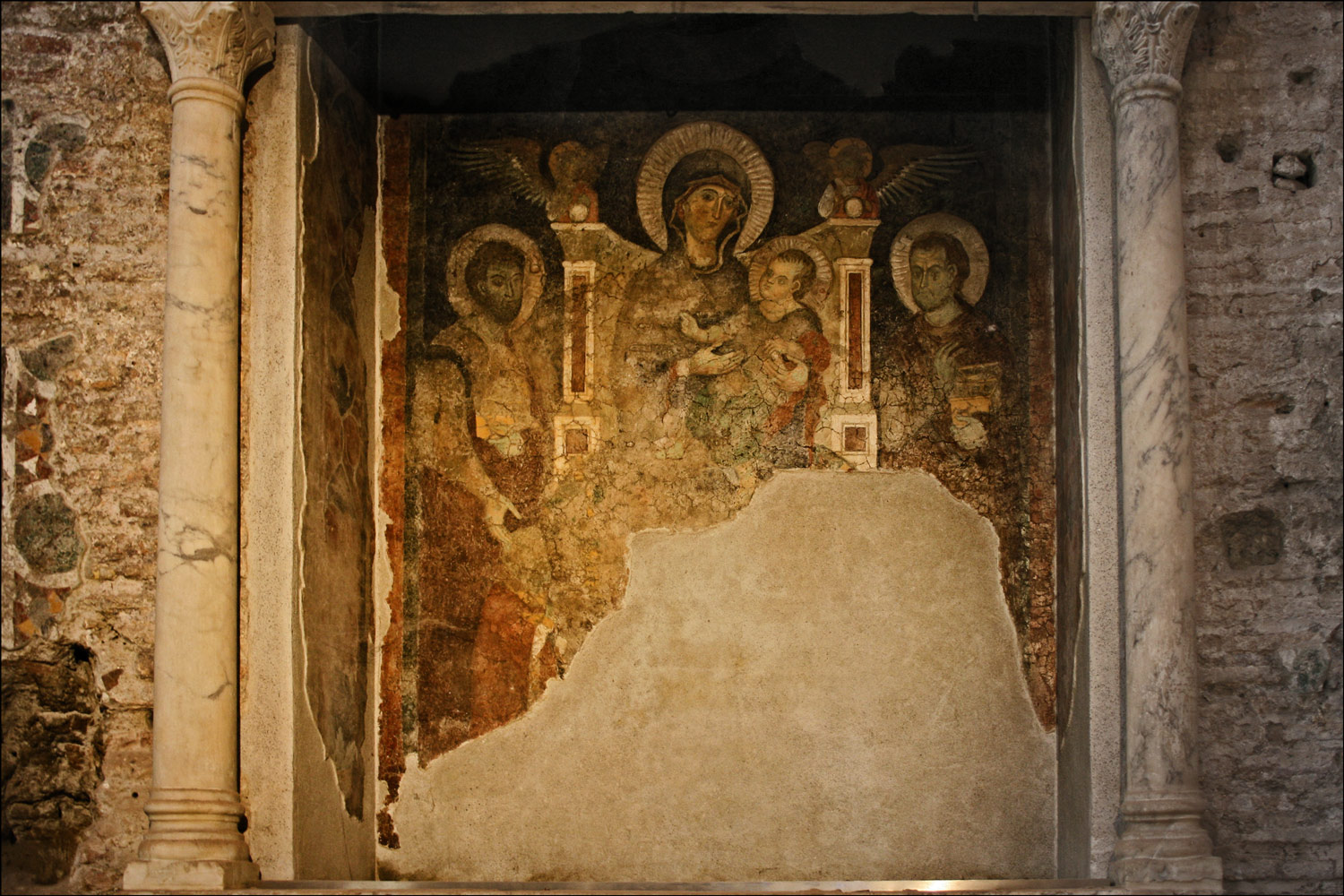
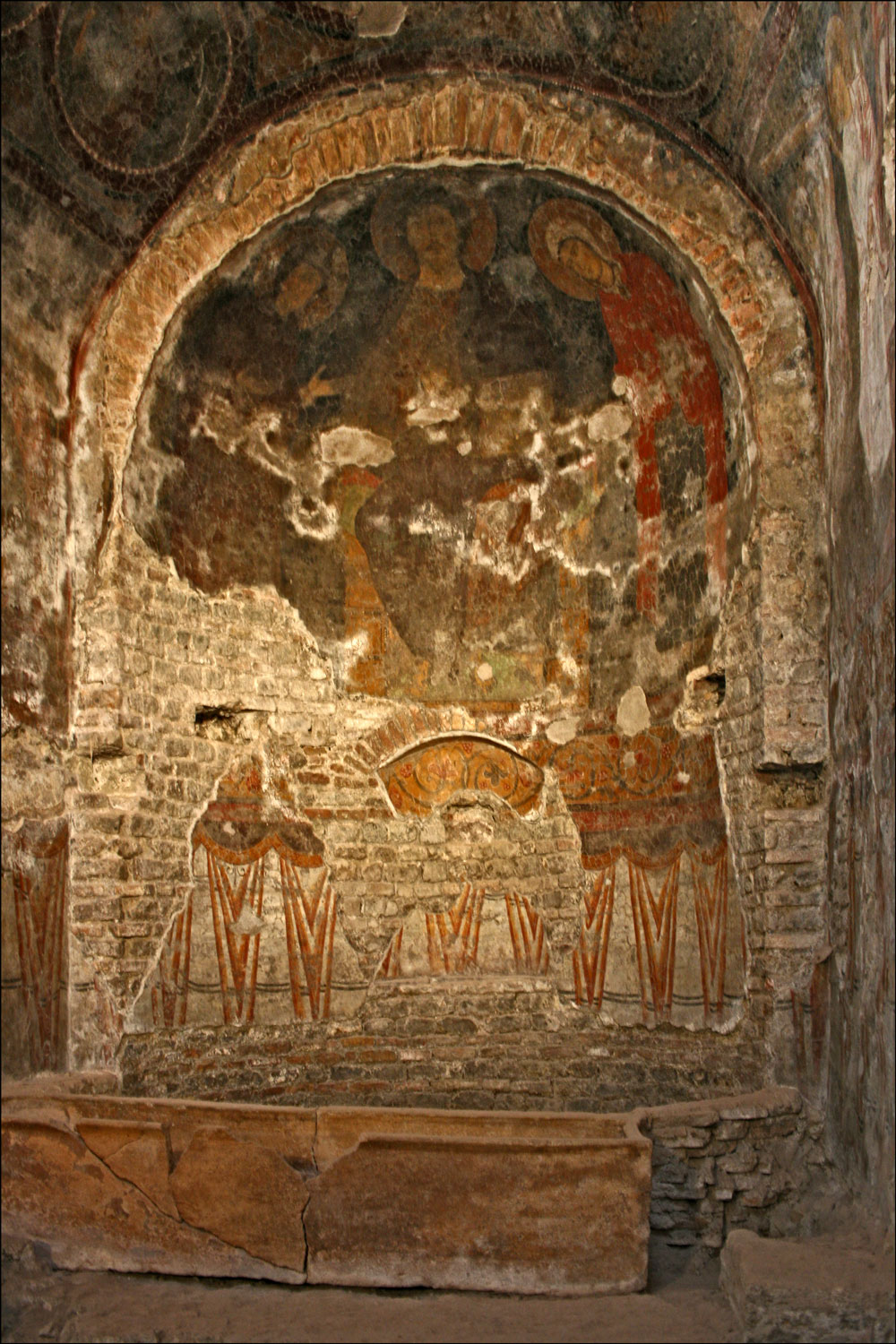
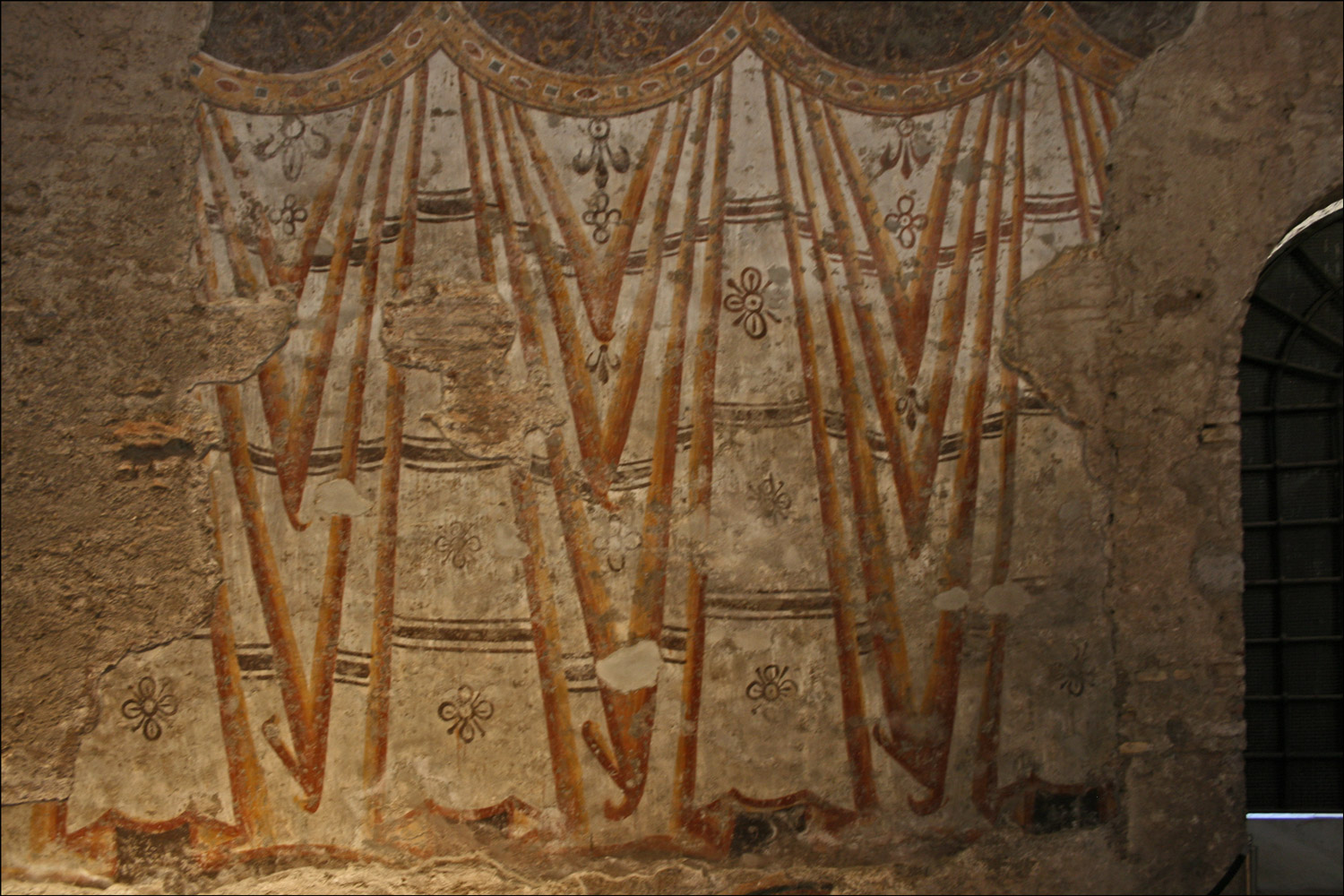
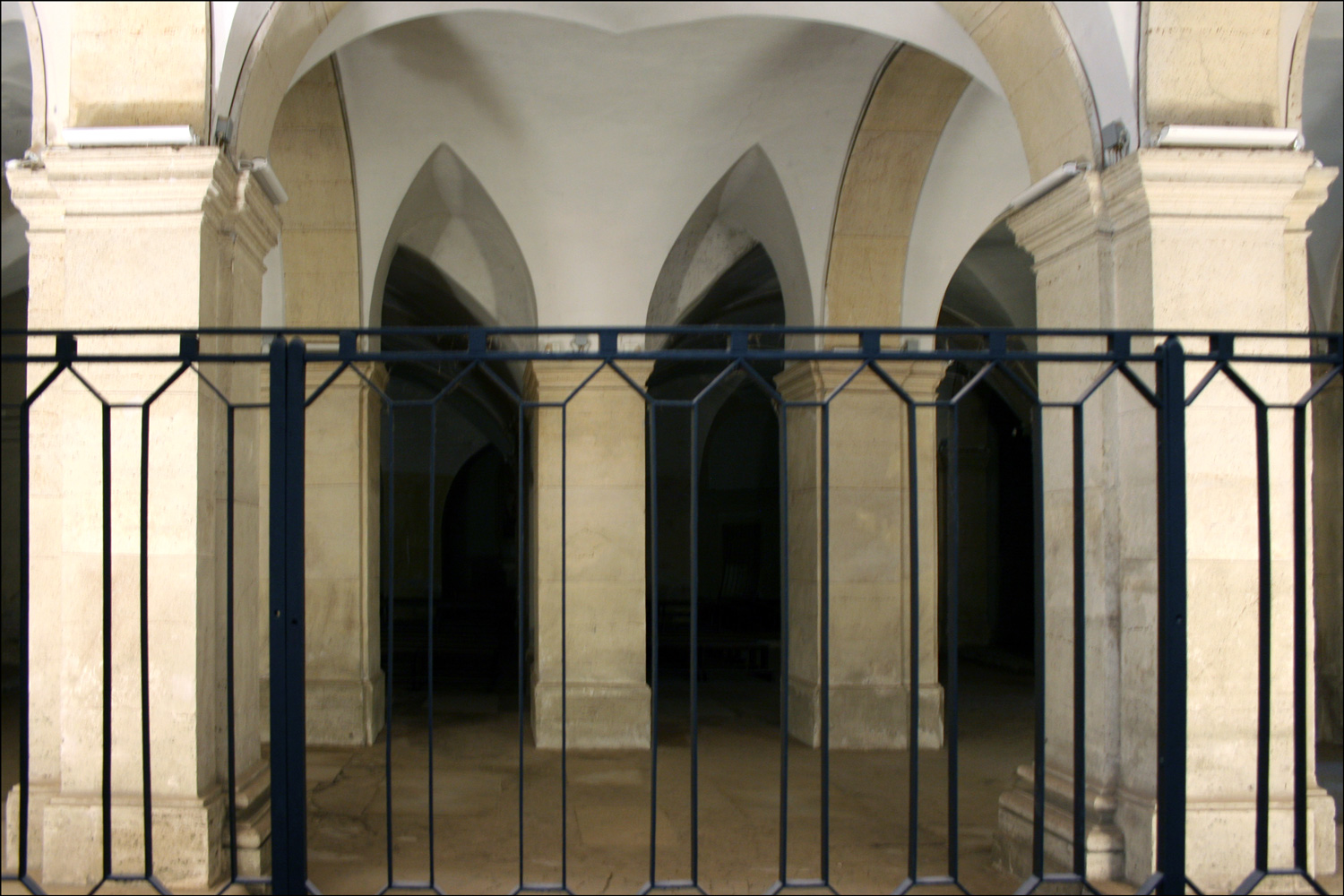
The Temple of Divus Romulus (Tempio di Romolo) in the Roman Forum was constructed to honor Romulus, the deified son of Emperor Maxentius in 309 AD. In the sixth century, the temple was converted into the vestibule for the Basilica of Saints Cosmas and Damian. Inside, there are several decaying frescos on the walls and visitors can peer into the basilica through a gate.

The Temple of Divus Romulus

The Temple of Divus Romulus

SOURCE:  The Temple of Divus Romulus (Rome, Lazio, Italy); photographed by Stephen J. Danko on 13 August 2011.

Fresco of the Virgin and Child

Fresco of the Virgin and Child

SOURCE:  Fresco of the Virgin and Child (Rome, Lazio, Italy); photographed by Stephen J. Danko on 13 August 2011.

Fresco of Christ

Fresco of Christ

SOURCE:  Fresco of Christ (Rome, Lazio, Italy); photographed by Stephen J. Danko on 13 August 2011.

Decorative Fresco

Decorative Fresco

SOURCE:  Decorative Fresco (Rome, Lazio, Italy); photographed by Stephen J. Danko on 13 August 2011.

View into the Basilica

View into the Basilica

SOURCE:  View into the Basilica (Rome, Lazio, Italy); photographed by Stephen J. Danko on 13 August 2011.

Copyright © 2011 by Stephen J. Danko
Posted in Daily Journal | Tagged , , | Comments Off on The Roman Forum – Part 5

The Roman Forum – Part 4

Moving through the Roman Forum to the southeast, one passes the Tempio del Divo Giulio (Temple of Caesar). Construction of this temple was begun after the Roman Senate deified Julius Caesar and was dedicated to the cult of a comet that appeared soon after Caesar was assassinated. This comet was considered to be the soul of Julius Caesar.

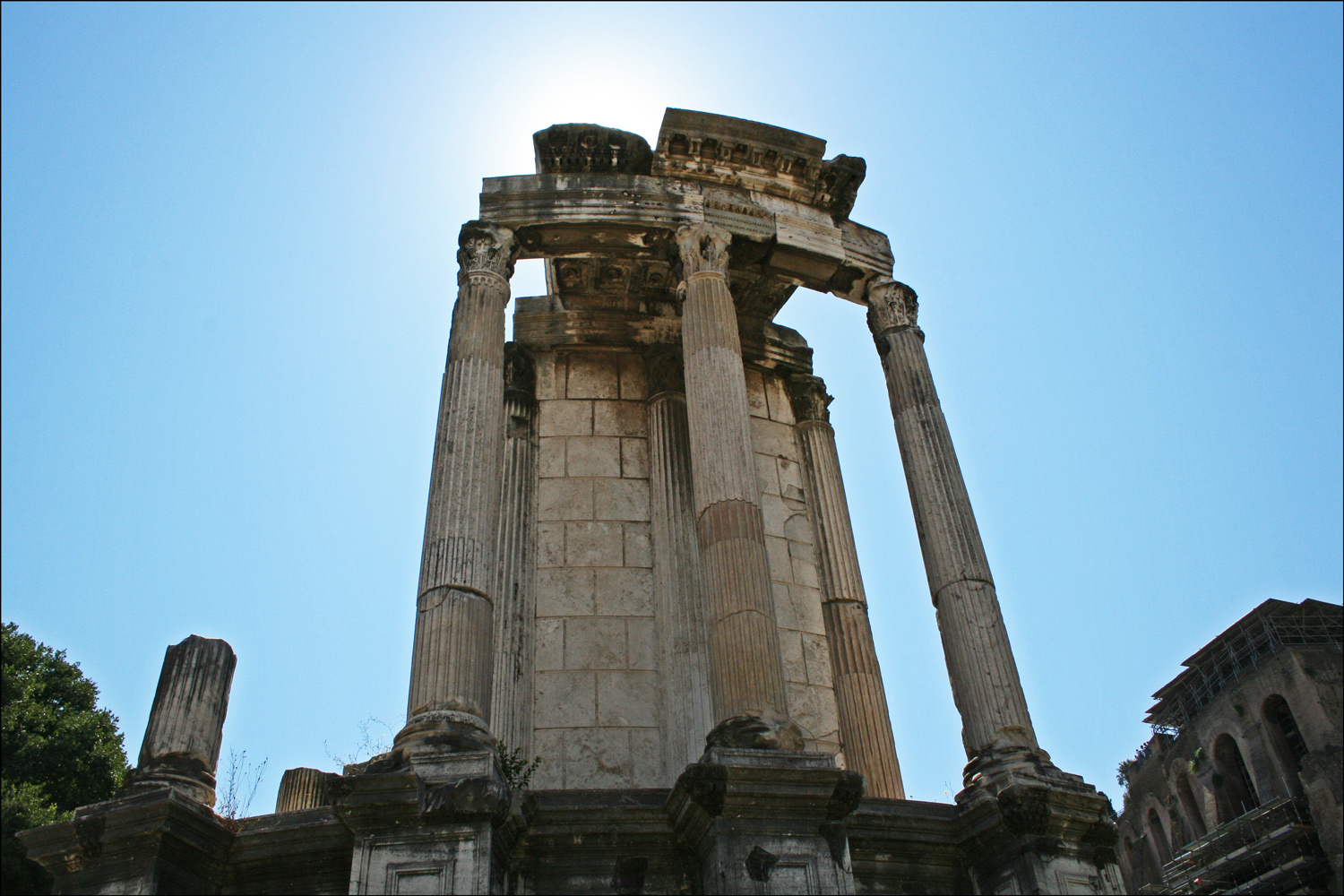
Close to the Tempio del Divo Giulio is the Tempio di Vesta (Temple of Vesta). Here, the Vestal Virgins tended the fires of Vesta, the goddess of the hearth.

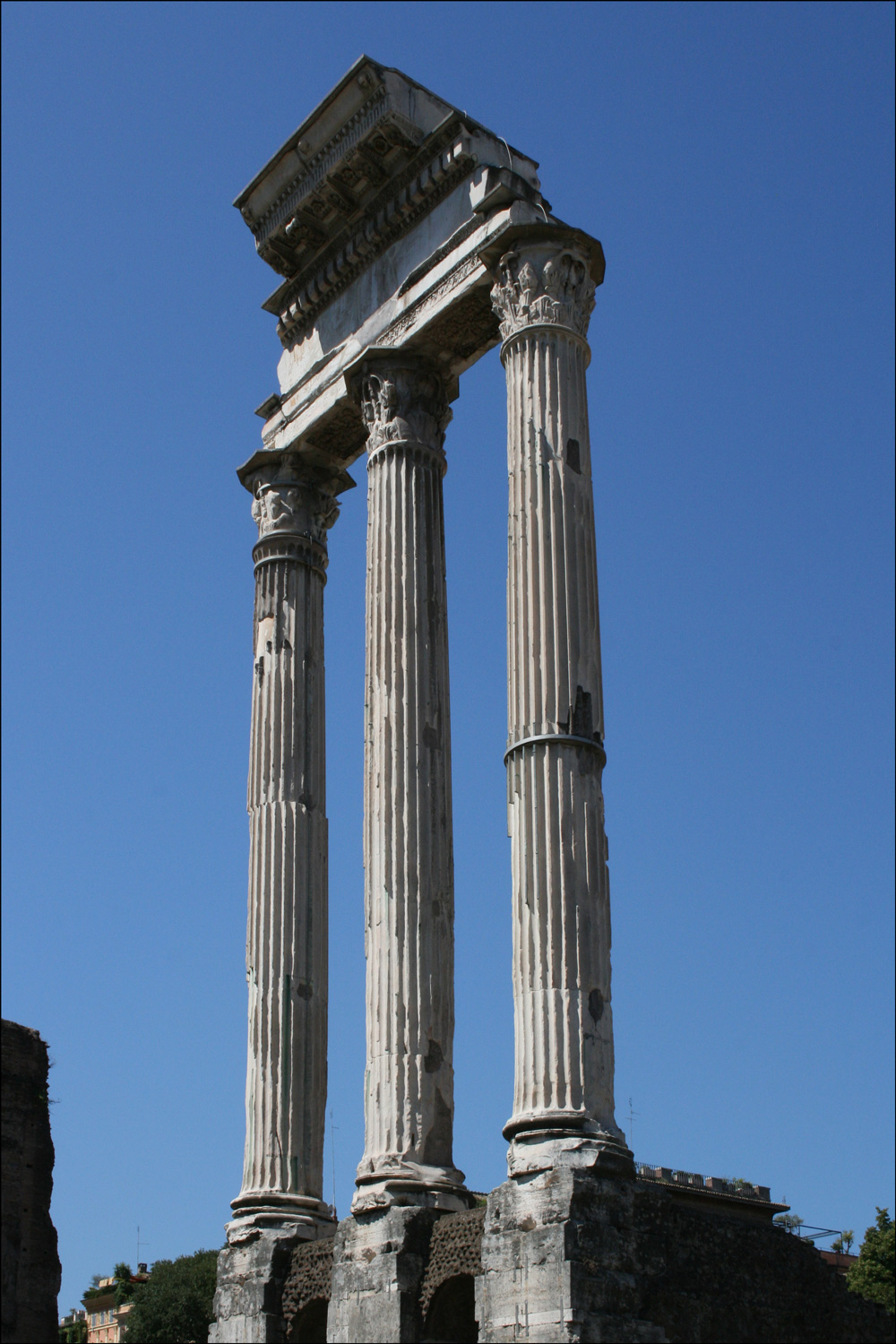
The Tempio dei Castori (Temple of Castor and Pollux) has only three columns remaining. It was built to commemorate the Roman victory at the Battle of Lake Regillus in 495 BC. According to legend, Castor and Pollux, the twin sons of Zeus and Leda, appeared on the battlefield to aid the Romans.

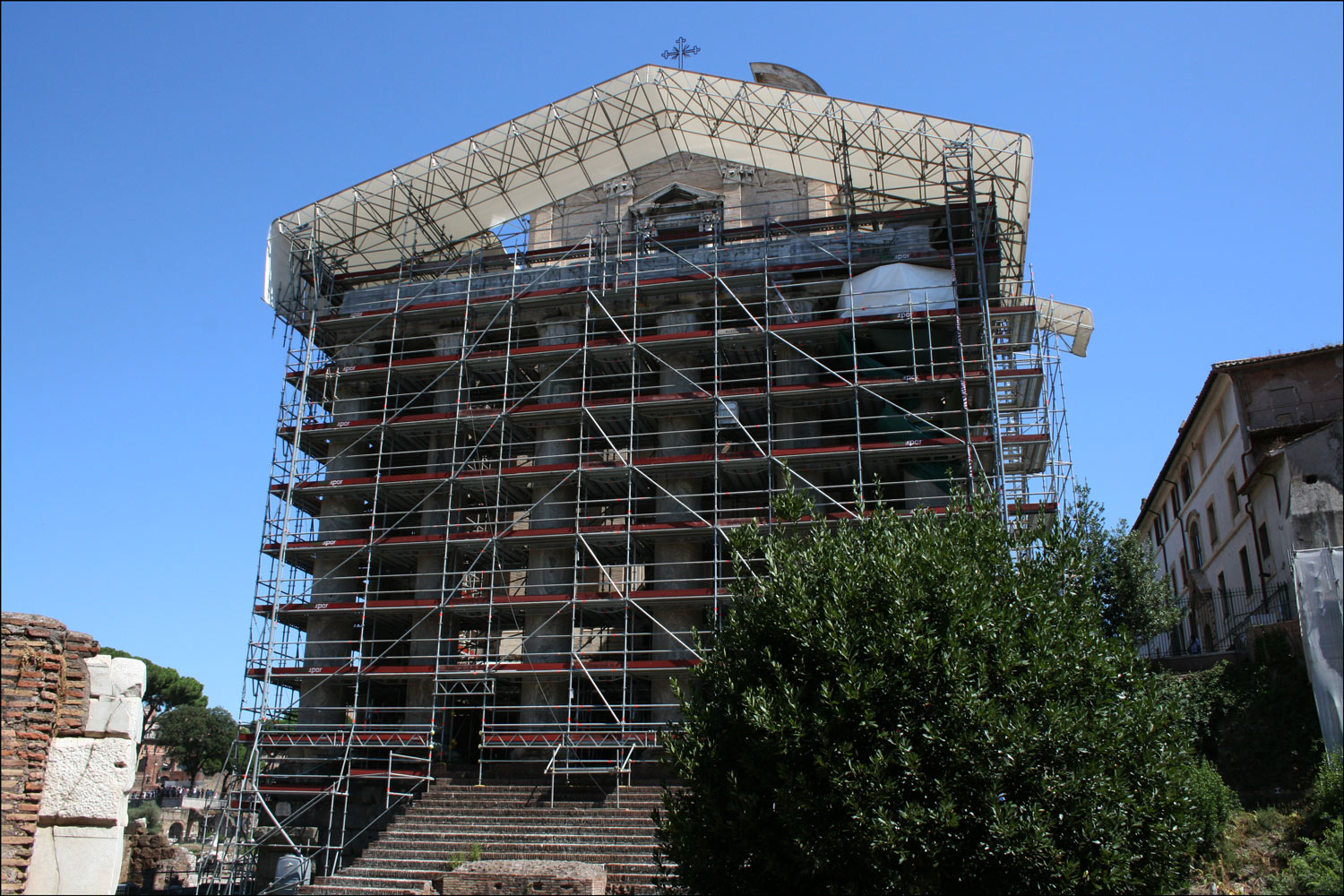
Construction of the Tempio di Antonino e Faustina (Temple of Antonino and Faustina) was begun in 141 AD by the Emperor Antoninus Pius in honor of his deceased wife Faustina the Elder. It survives today because it was later converted to the Roman Catholic Church San Lorenzo in Miranda.

Tempio del Divo Giulio

Tempio del Divo Giulio

SOURCE:  Tempio del Divo Giulio (Rome, Lazio, Italy); photographed by Stephen J. Danko on 13 August 2011.

Templo di Vesta

Templo di Vesta

SOURCE:  Tempio di Vesta (Rome, Lazio, Italy); photographed by Stephen J. Danko on 13 August 2011.

Tempio dei Castori

Tempio dei Castori

SOURCE:  Tempio dei Castori (Rome, Lazio, Italy); photographed by Stephen J. Danko on 13 August 2011.

Tempio di Antonino e Faustina

Tempio di Antonino e Faustina

SOURCE:  Tempio di Antonino e Faustina (Rome, Lazio, Italy); photographed by Stephen J. Danko on 13 August 2011.

Copyright © 2011 by Stephen J. Danko
Posted in Daily Journal | Tagged , , | 1 Comment

The Roman Forum – Part 3

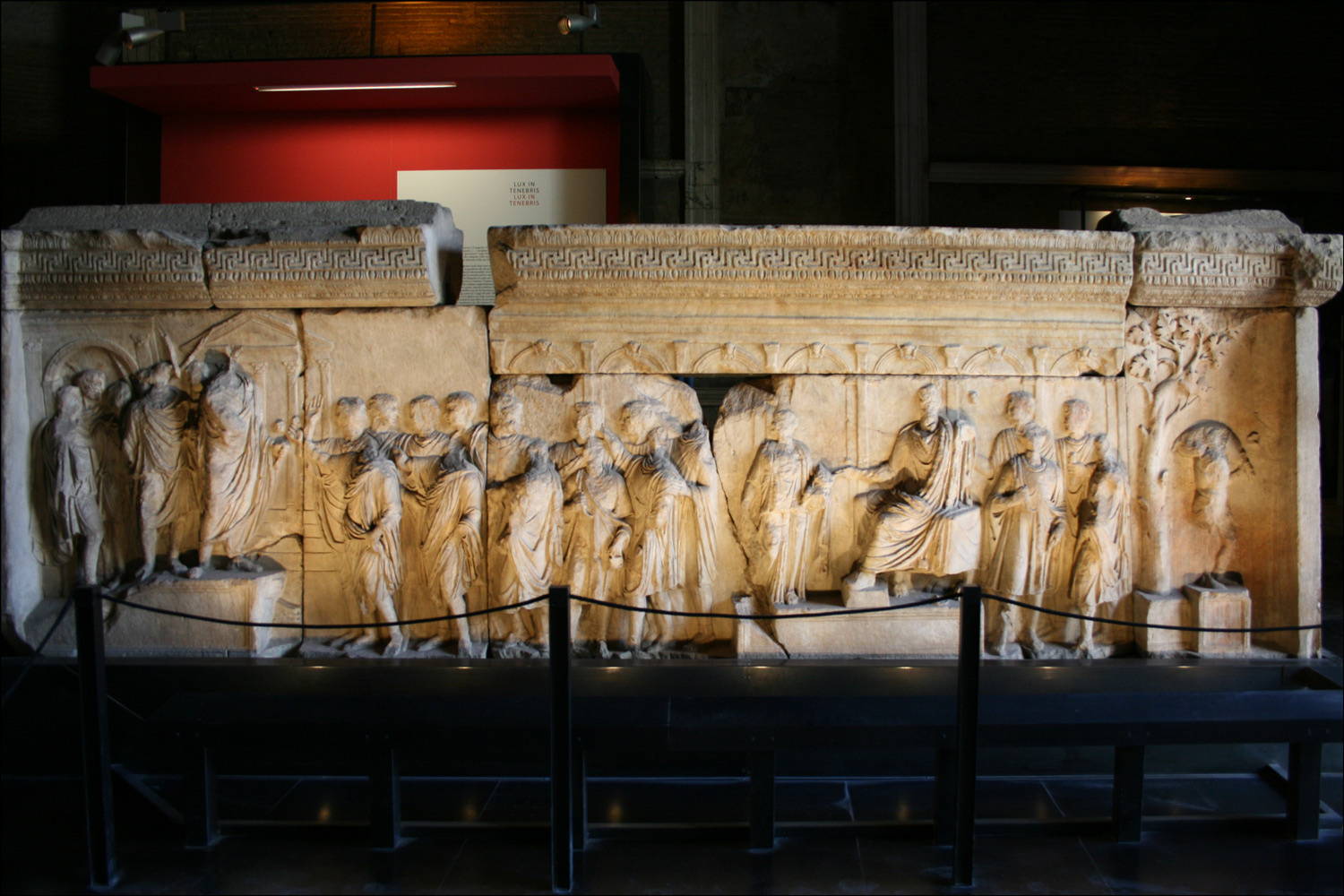
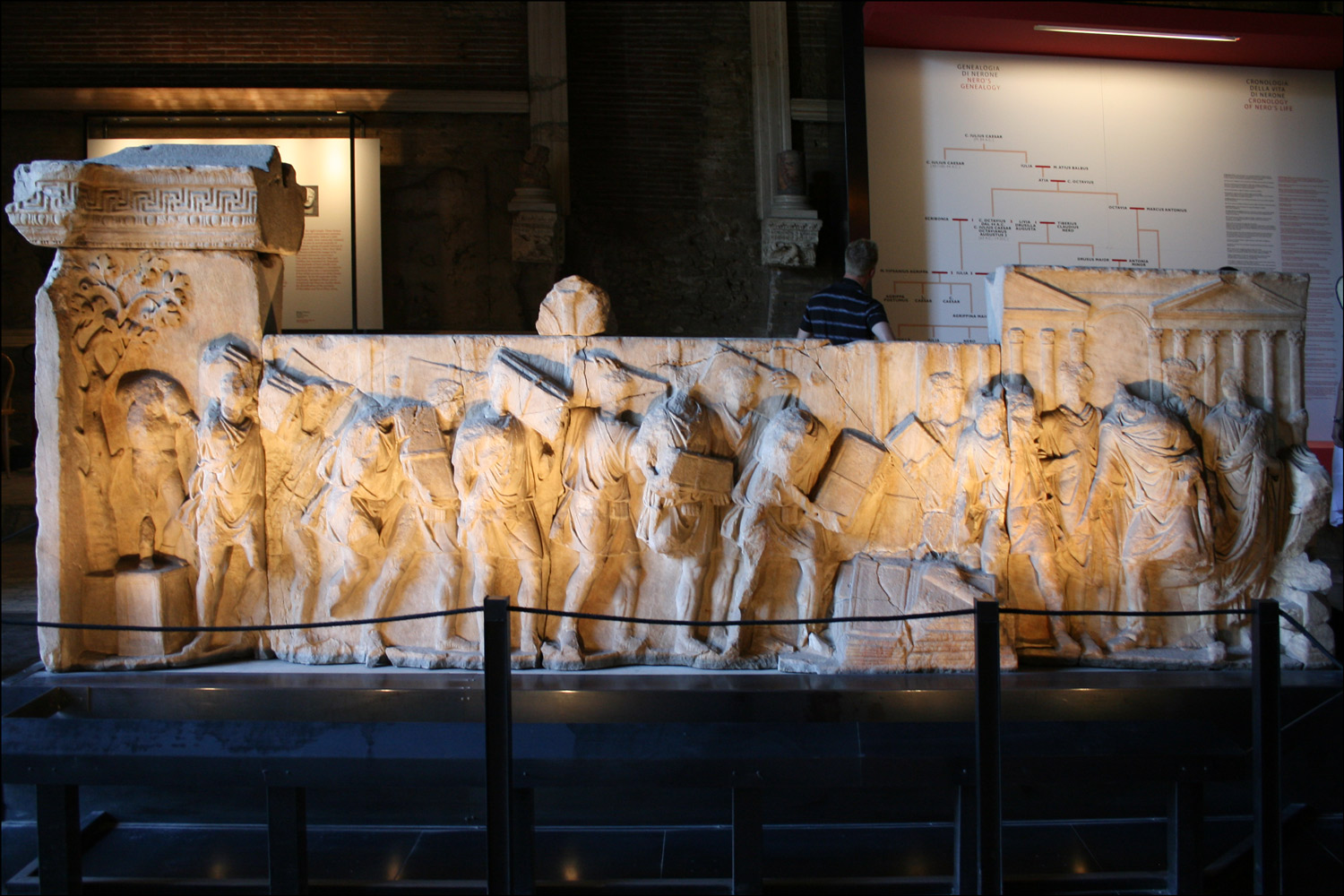
The Curia Julia in the Roman Forum holds several important objects including the Plutei of Trajan, a pair of stone balustrades found in the Forum. These balustrades were not part of the Curia Julia, but they are historically important because they show the structures of the Forum as they once appeared.

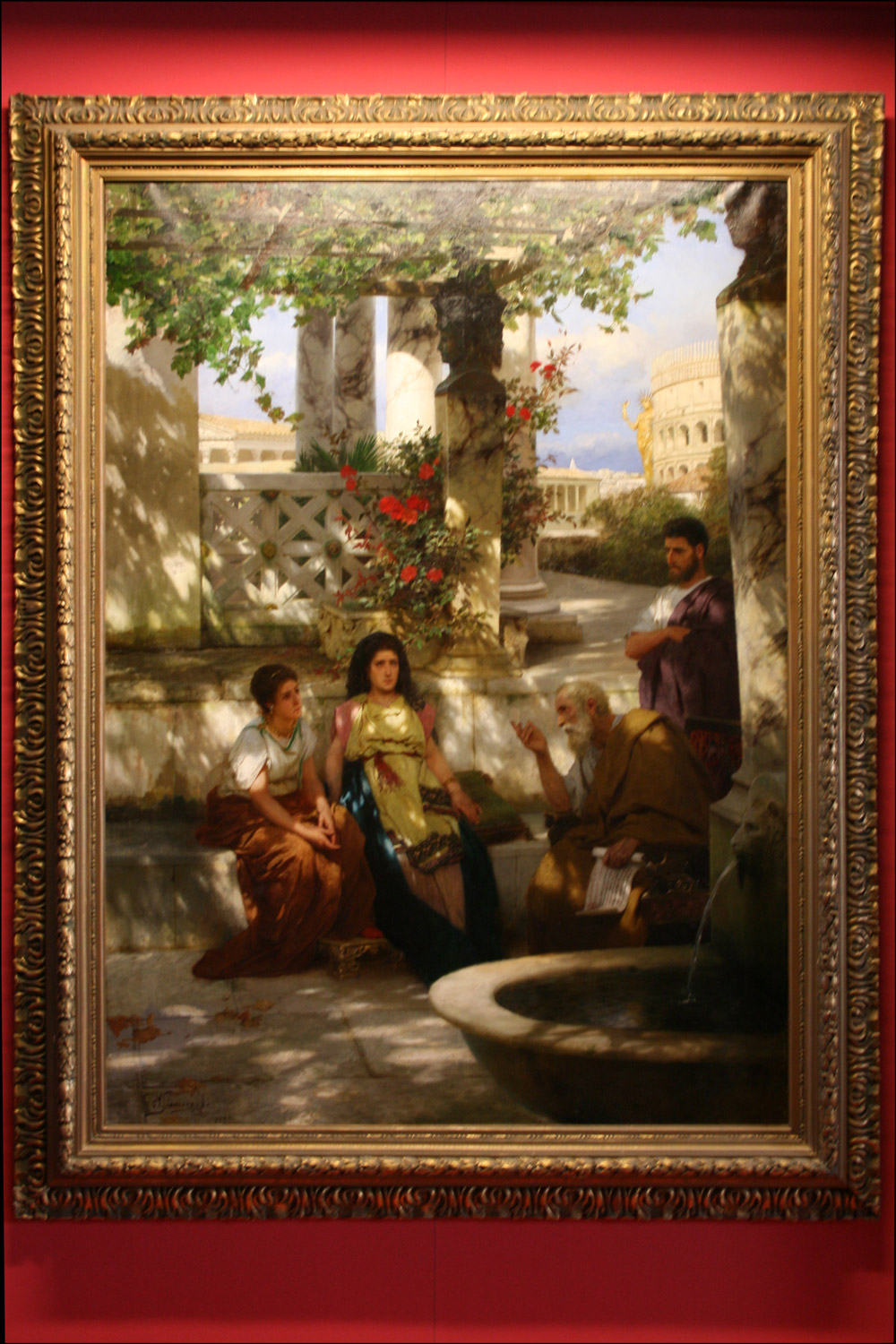
Also on display in the Curia Julia are a number of paintings, including one from 1899 by Henryk H. Siemiradzki entitled “The future victims of the Colosseum”.

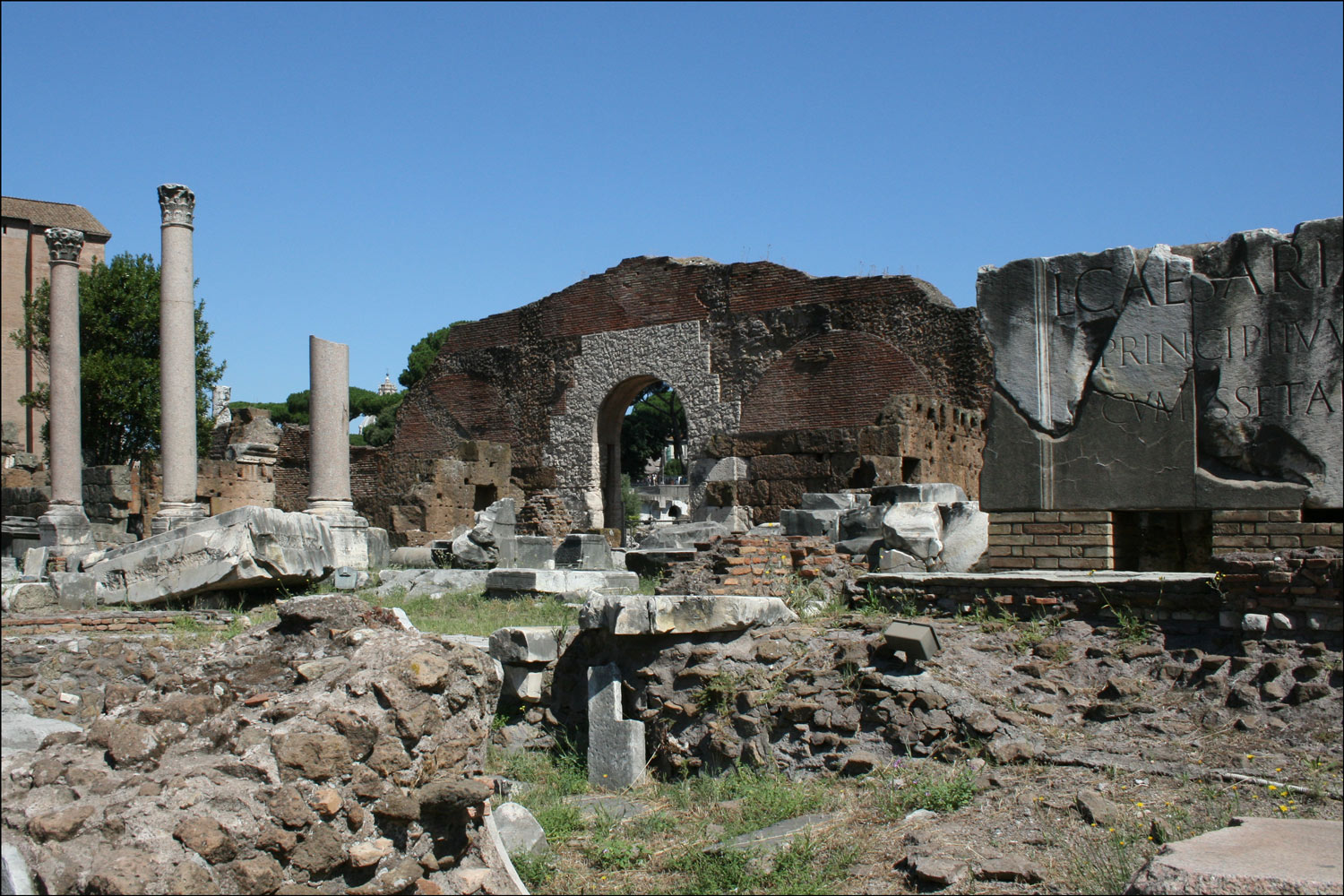
Next to the Curia Julia are the remnants of the Basilica Aemilia. This basilica was a Roman public building rather than a church. Very little remains of the Basilica Aemilia today.

Pluteus of Trajan - 1

Pluteus of Trajan – 1

SOURCE:  Pluteus of Trajan – 1 (Rome, Lazio, Italy); photographed by Stephen J. Danko on 13 August 2011.

Pluteus of Trajan - 2

Pluteus of Trajan – 2

SOURCE:  Pluteus of Trajan – 2 (Rome, Lazio, Italy); photographed by Stephen J. Danko on 13 August 2011.

The Future Victims of the Colosseum

The Future Victims of the Colosseum

SOURCE:  The Future Victims of the Colosseum (Rome, Lazio, Italy); photographed by Stephen J. Danko on 13 August 2011.

Remnants of the Basilica Aemilia

Remnants of the Basilica Aemilia

SOURCE:  Remnants of the Basilica Aemilia (Rome, Lazio, Italy); photographed by Stephen J. Danko on 13 August 2011.

Copyright © 2011 by Stephen J. Danko
Posted in Daily Journal | Tagged , , | Comments Off on The Roman Forum – Part 3

The Roman Forum – Part 2

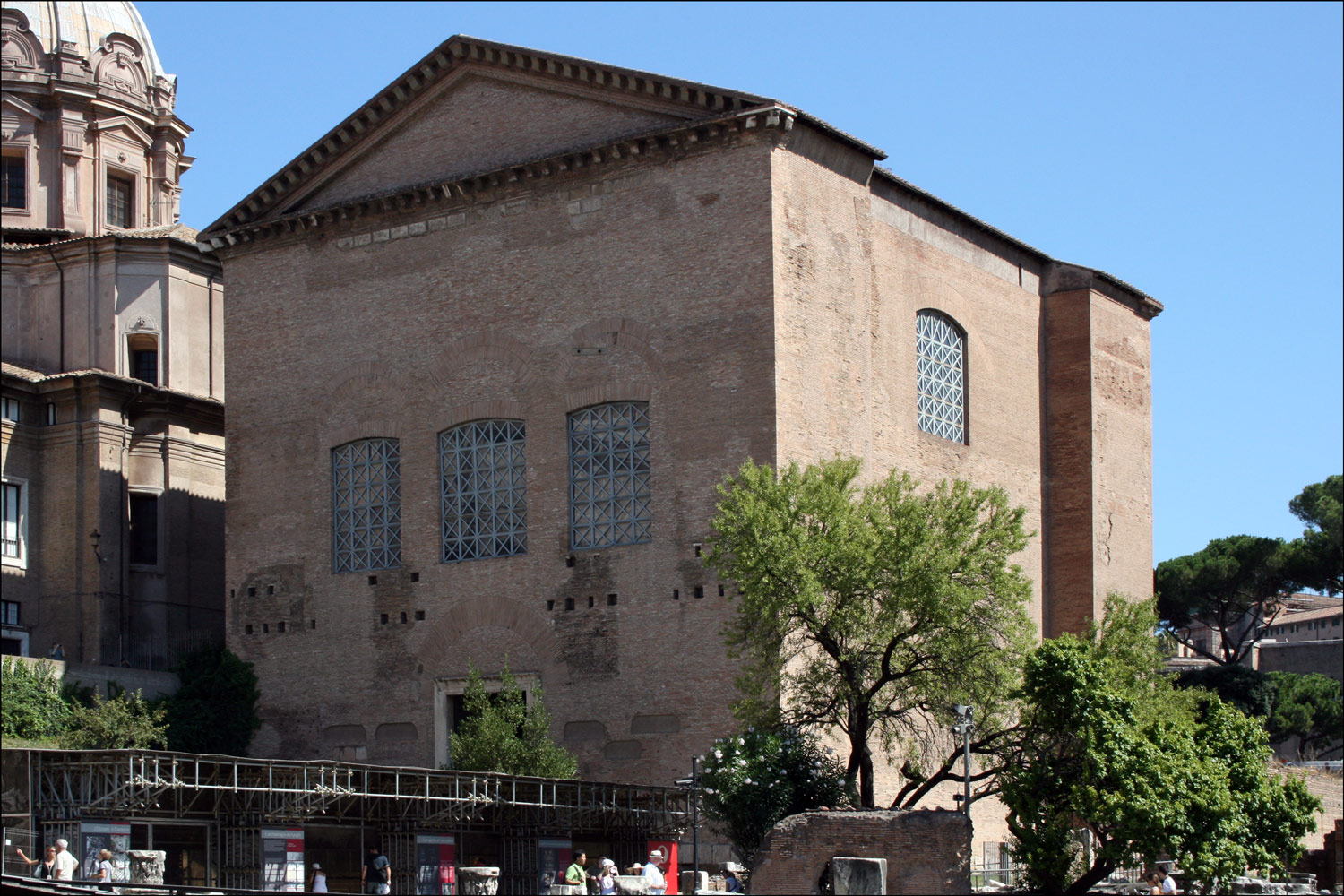
The Curia Julia was one of the buildings where the Roman Senate gathered. The reason why the Curia Julia has survived while most others have not is that the building was converted into the Basilica of Sant’Adriano al Foro in the seventh century. Construction of the Curia Julia was begun during the reign of Julius Caesar but it was not completed until after his assassination.

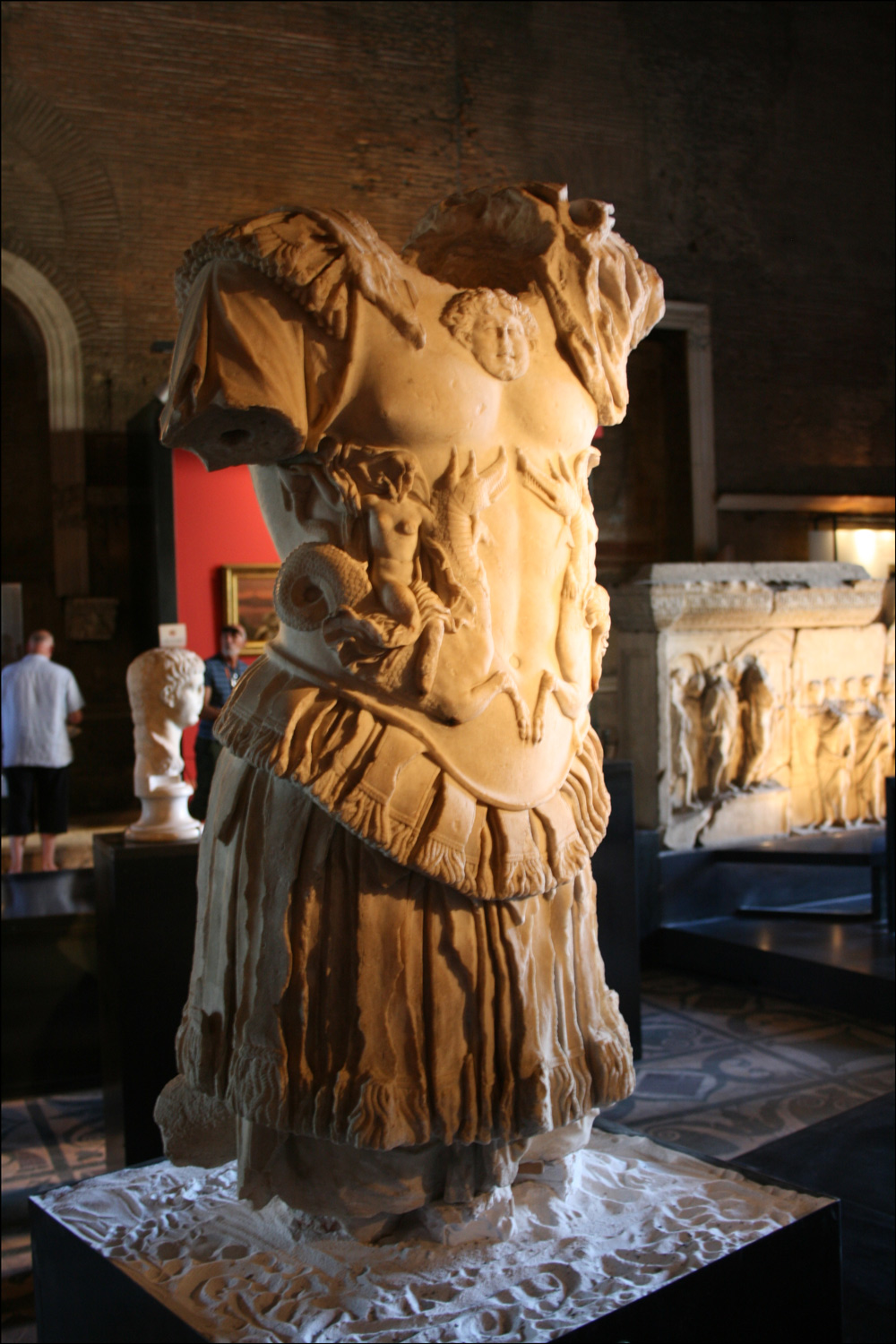
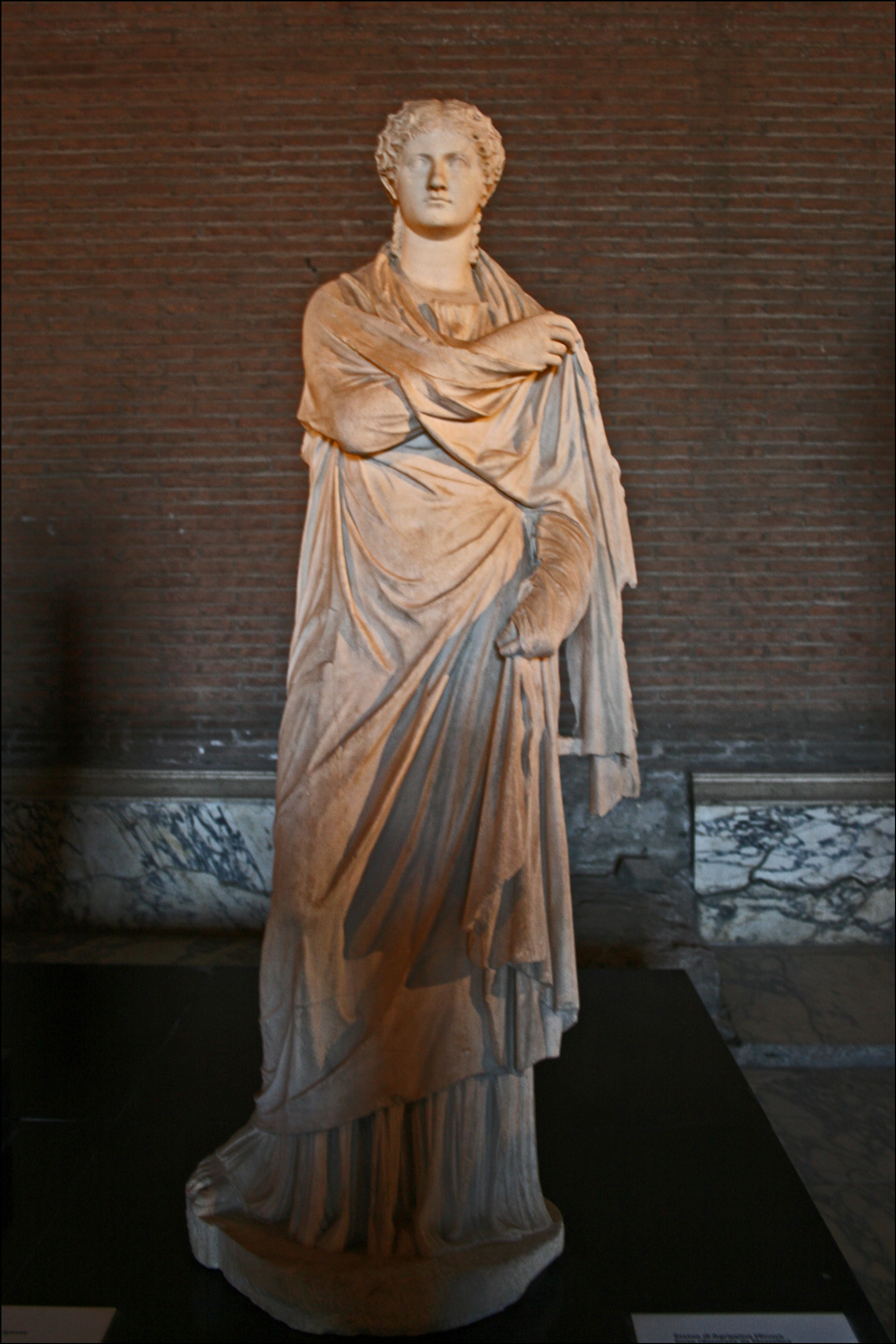
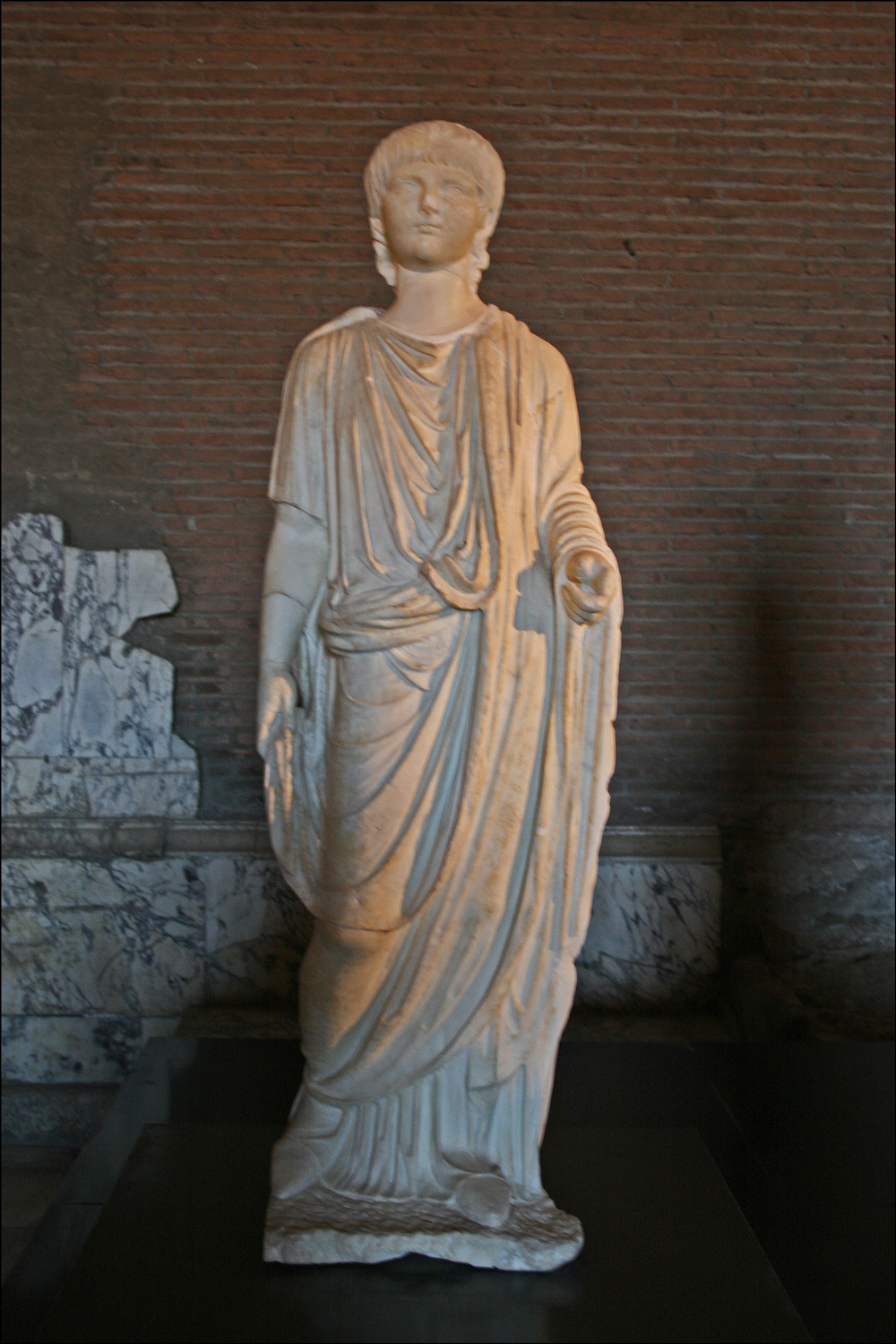
Several sculptures are also displayed in the Curia Julia. The first, the torso of Nero, is probably here temporarily during the Nero Exhibition in the Forum. It is described as a Cuirassed Statue of Nero and is from the Piazza dei Celestini in Bologna. The second is a Statue of Agrippa Minor perhaps recut from a statue of Messalina. This statue is originally from Herculaneum. The third is described as Togate Statue with Portrait of a Princess (Claudia Octavia?). It is from the Forum at Rosele.

The Curia Julia

The Curia Julia

SOURCE:  The Curia Julia (Rome, Lazio, Italy); photographed by Stephen J. Danko on 13 August 2011.

Torso of Nero

Torso of Nero

SOURCE:  Torso of Nero (Rome, Lazio, Italy); photographed by Stephen J. Danko on 13 August 2011.

Agrippa Minor

Agrippa Minor

SOURCE:  Agrippa Minor (Rome, Lazio, Italy); photographed by Stephen J. Danko on 13 August 2011.

Claudia Octavia?

Claudia Octavia?

SOURCE:  Claudia Octavia? (Rome, Lazio, Italy); photographed by Stephen J. Danko on 13 August 2011.

Copyright © 2011 by Stephen J. Danko
Posted in Daily Journal | Tagged , , | Comments Off on The Roman Forum – Part 2